
Cozy & Secure: Winter Home Safety Tips for Older Adults
6 min read
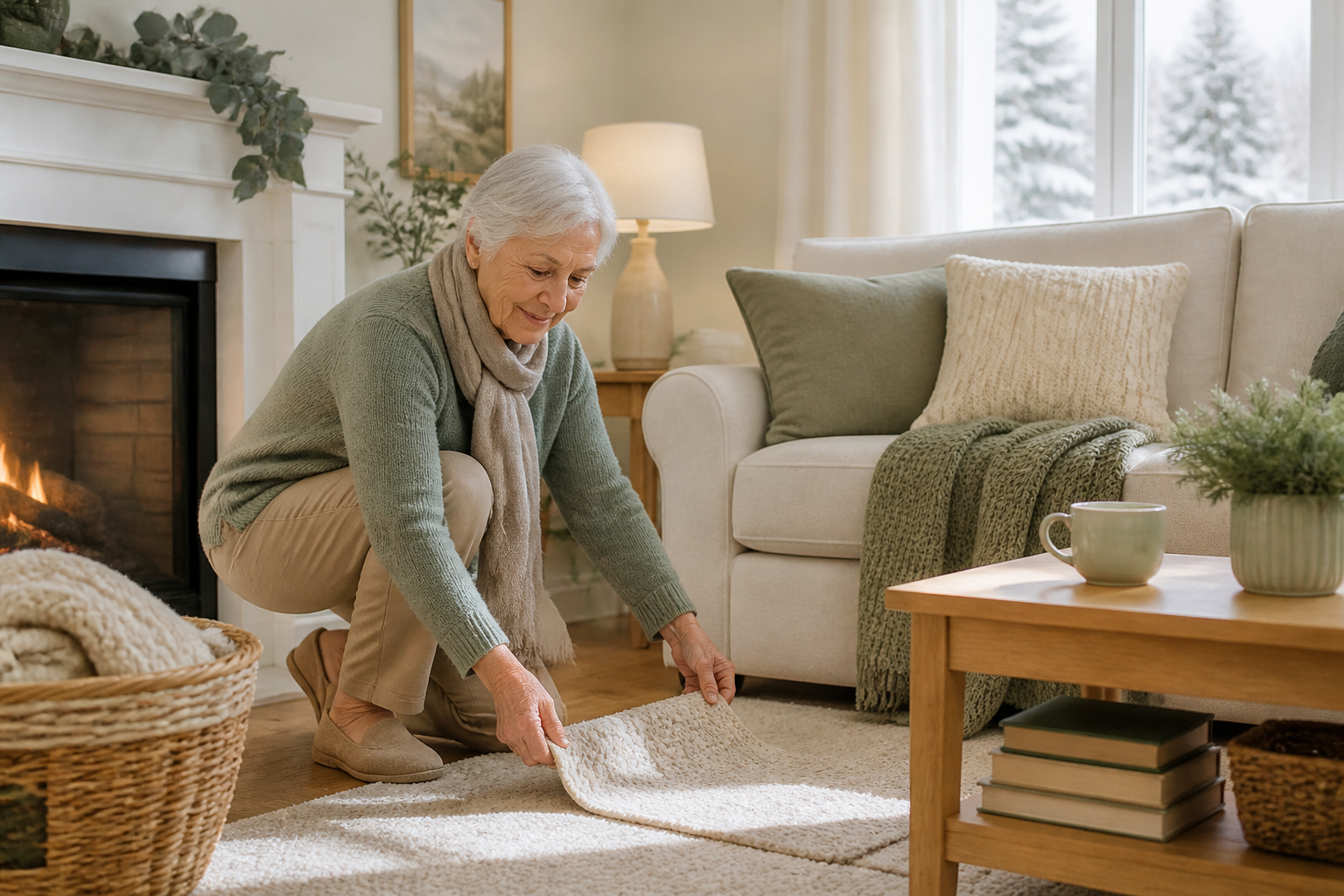
As winter approaches, bringing with it shorter days and colder temperatures, our homes become even more of a cherished sanctuary. For older adults, ensuring this sanctuary remains a safe and comfortable haven is especially important. The season's unique challenges, from icy conditions to darker evenings, mean a little extra preparation can go a long way in maintaining peace of mind and independent living.
This guide offers practical, easy-to-implement tips focused on winter home safety. We'll explore ways to keep warm efficiently, prevent common winter hazards, and stay connected and prepared, all designed to help you or your loved ones enjoy the season with confidence and comfort.
Keeping Your Home Warm and Safe
Maintaining a comfortably warm home is key during winter, but it's vital to do so safely. Check your heating system before the cold truly sets in to ensure it's in good working order. Consider having a professional inspect your furnace or boiler annually. Using draft stoppers under doors and ensuring windows are properly sealed can help keep warmth in and cold out, which may also help manage energy costs.
If you use space heaters, place them on a flat, stable surface, well away from anything that could catch fire, such as curtains, bedding, or furniture. Never leave them unattended or use them while sleeping. It's also crucial to have working smoke alarms and carbon monoxide detectors on every level of your home, and to test them monthly. These simple steps can help protect against potential hazards and ensure a warm, safe environment.
Preventing Slips and Falls Indoors
Winter weather often means tracking in snow and rain, which can create slippery indoor surfaces. Regularly wipe up any moisture from entryways to help prevent accidental slips. Clear pathways throughout your home, ensuring rugs are secured with non-slip backing or removed if they pose a tripping risk. Good lighting is also essential to help you see potential obstacles.
Consider sturdy, comfortable footwear with good grip even when indoors, especially on hard floors. If you use mobility aids, ensure they are in good condition and easily accessible. Installing grab bars in bathrooms or adding handrails in areas where extra support is beneficial can add extra stability, helping to reduce the risk of slipping and making daily routines easier.
Enhancing Lighting and Visibility
With fewer daylight hours, good lighting becomes even more critical for safety. Ensure all hallways, stairs, and frequently used rooms are well-lit. Consider installing motion-sensor lights in darker areas or nightlights in bathrooms and bedrooms to help make nighttime navigation safer. Easy-to-reach light switches are also a thoughtful addition.
Checking light bulbs regularly and replacing any that are out helps maintain consistent illumination. Strategic lighting not only helps prevent falls but also contributes to a feeling of comfort and security throughout your home during the darker winter months.
Staying Connected and Prepared
Winter storms can sometimes lead to power outages or make travel difficult. Having an emergency kit readily available can help you feel more secure. This kit might include a working flashlight with extra batteries, a battery-powered or hand-crank radio, a first-aid kit, a supply of essential medications, and non-perishable food and water.
It’s also wise to have a plan for staying connected. Keep a list of important phone numbers handy, and arrange for regular check-ins with family, friends, or neighbours, especially during severe weather. These connections can offer valuable support and reassurance, making sure you’re not alone if unexpected challenges arise.
Stocking Up Wisely for Winter
Before severe weather makes it difficult to get out, consider stocking up on necessary groceries, household supplies, and any required medications. Focus on non-perishable food items and easy-to-prepare meals that don't require cooking if the power goes out. Ensure you have enough pet food and any other essential items to avoid urgent trips in potentially hazardous conditions. This proactive approach helps ensure you have essentials on hand, making living independently simpler and more comfortable throughout the winter.
Embrace Winter with Confidence
Winter offers its own special charm, and by taking these practical steps, older adults can enjoy the season safely and comfortably within their own homes. Prioritizing home safety during these colder months helps foster independence and peace of mind, ensuring that your living space remains a warm, secure, and welcoming sanctuary. Embrace the coziness of winter, knowing you've taken thoughtful steps to protect your well-being.
Frequently asked questions
Featured products
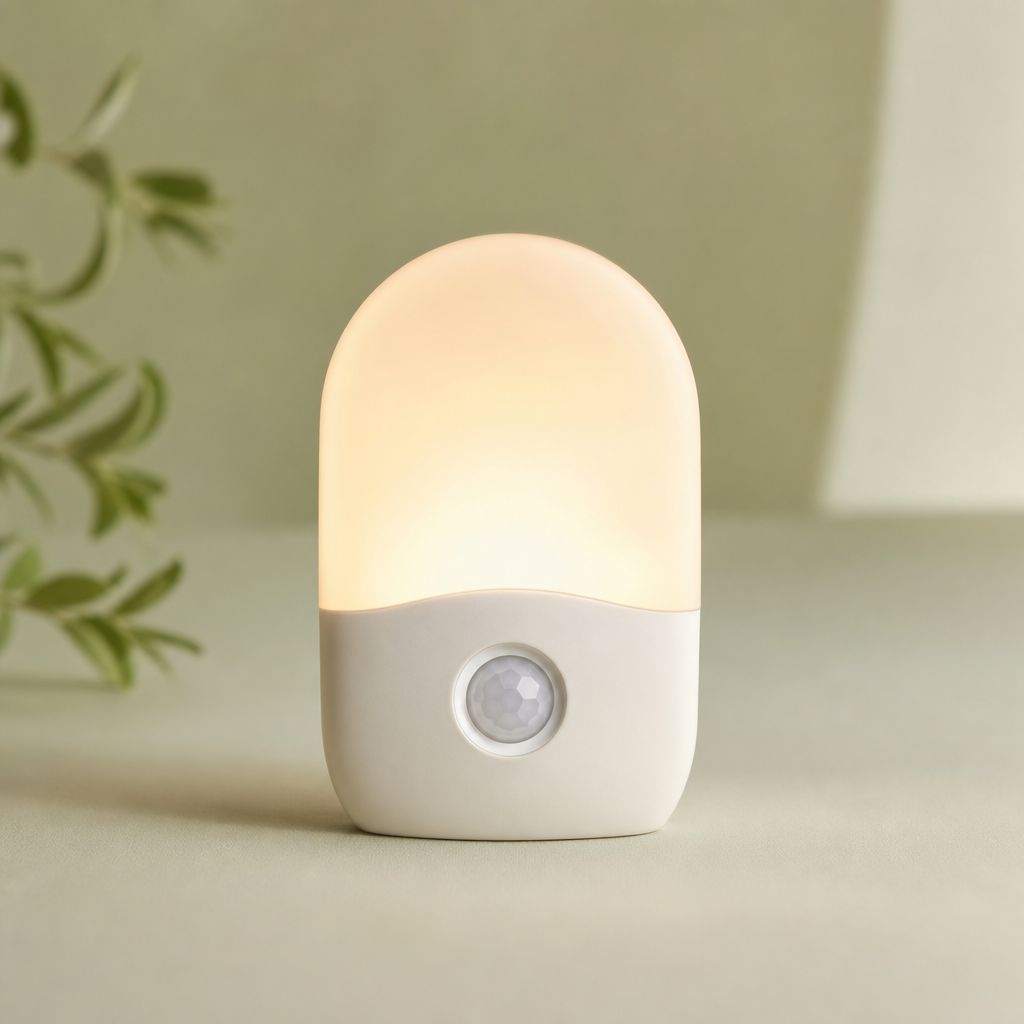
💡 Auto-Glow Motion Sensor Night Light (2-Pack)
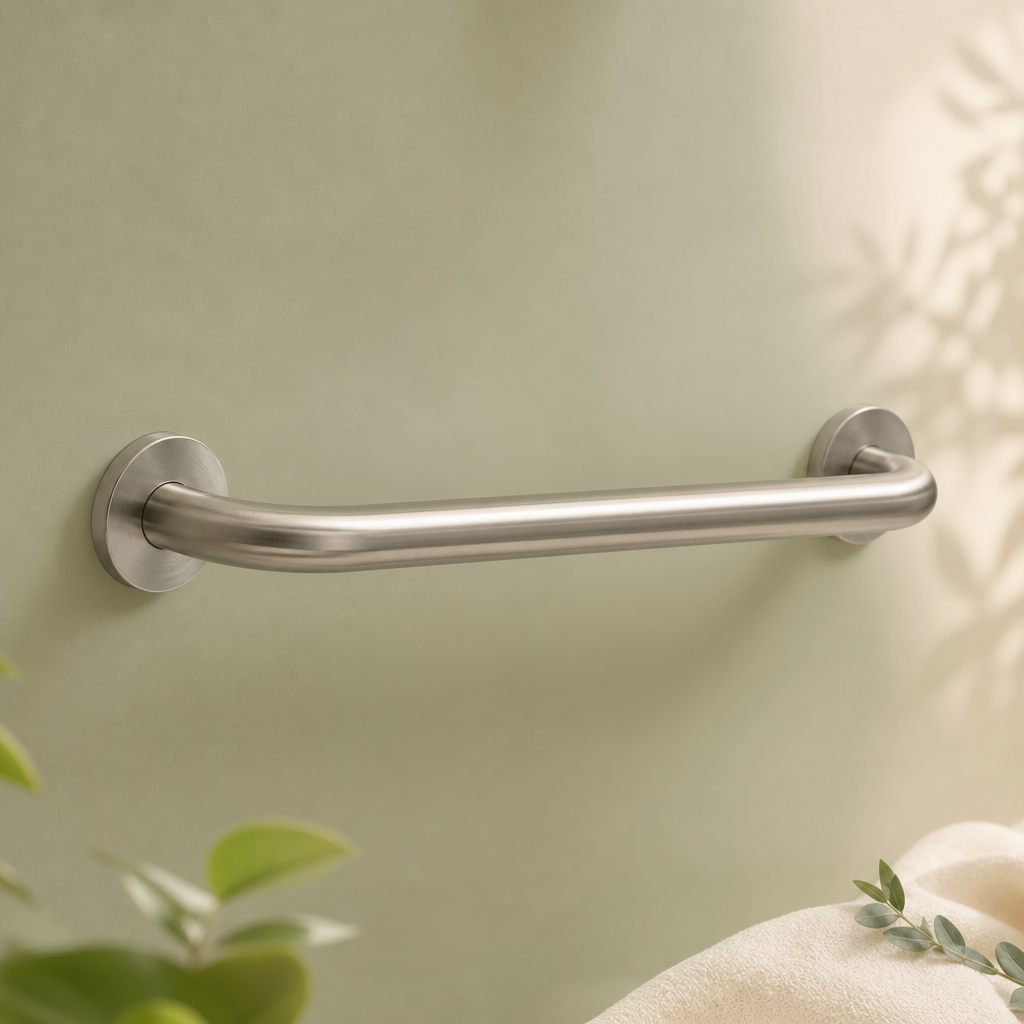
🛟 Wall-Mounted Stainless Steel Grab Bar
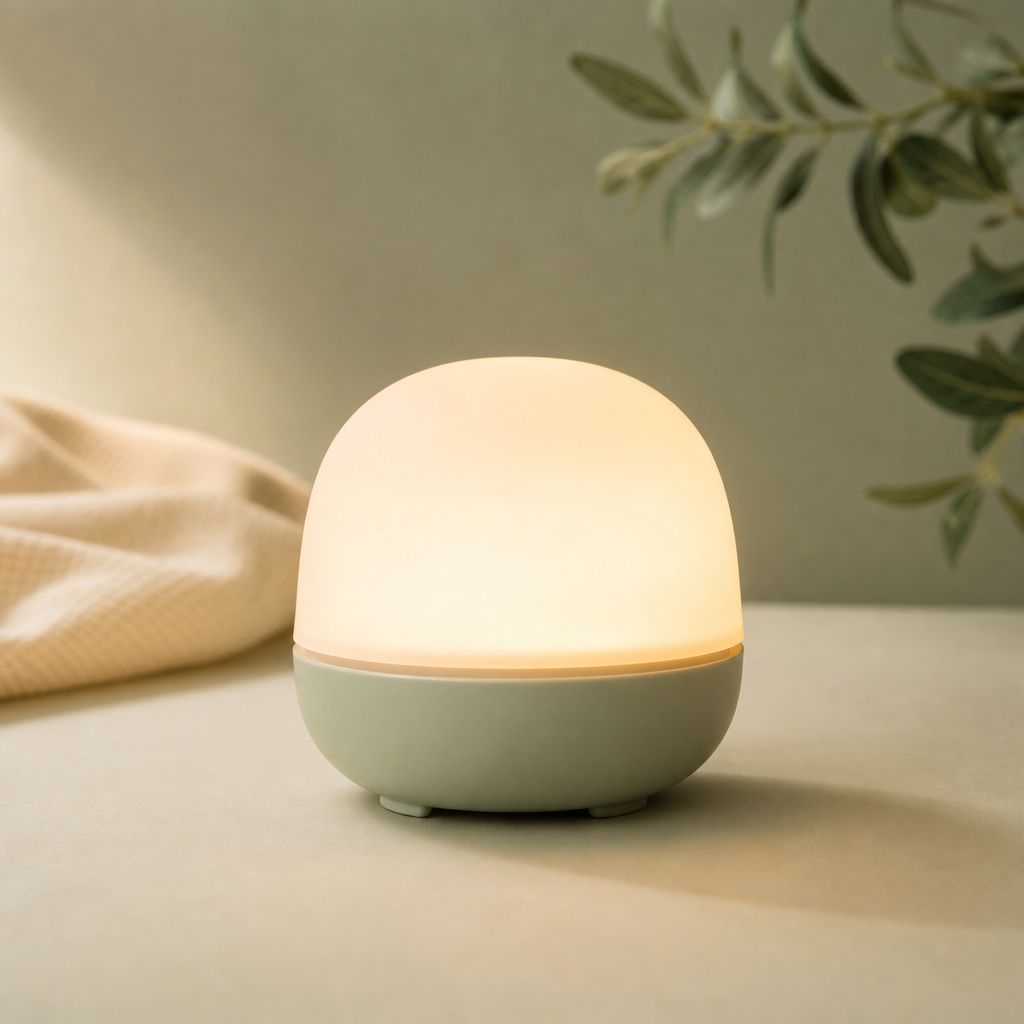
🌙 Soft-Glow Warm Bedside Night Light
A gentle note
The products featured on EverEase24 are everyday comfort, safety and convenience aids — not medical devices. Nothing on this site is intended to diagnose, treat, cure or prevent any condition, and our descriptions are not medical advice. Please follow each manufacturer's instructions, and consult a qualified professional for any health concern or before making changes for someone with a medical condition. We independently choose what we recommend; when you buy through our Amazon links we may earn a small commission at no extra cost to you.