
Safe Steps, Independent Living: A Guide to Stairway Safety at Home
6 min read

Stairs are often a vital part of our homes, connecting different living spaces and allowing us to enjoy every corner of our personal sanctuary. For many, the thought of navigating stairs can become a concern as we age, but it doesn't have to be a barrier to comfortable, independent living. Small, thoughtful adjustments can make a significant difference in enhancing stairway safety and peace of mind.
This guide from EverEase24 is designed to offer practical, reassuring advice on making your stairs as safe and user-friendly as possible. We believe that with a few simple steps, you can help reduce the risk of slips or falls, making daily routines easier and ensuring your home remains a place of comfort and independence for years to come.
Clear the Clutter, Clear the Way
One of the most immediate and impactful changes you can make is ensuring your stairs are completely clear of any obstacles. Even small items like shoes, books, or decorative pieces can become unexpected trip hazards, especially when vision might not be as sharp or balance isn't quite as steady. Make it a daily habit to keep stairways free from anything that could cause a stumble.
Establishing a designated spot for items that need to go up or down – like a basket at the bottom or top that's moved only when empty – can help maintain a clear path. This simple routine adds extra safety and makes navigating your home much smoother and more enjoyable.
Illuminate Your Path: Brighter Lighting Matters
Good lighting is crucial for stairway safety. Dark or dimly lit stairs can obscure steps, shadows, or even slight changes in elevation, significantly increasing the risk of a misstep. Ensure that both the top and bottom of your stairway, as well as each step, are well-lit, day and night.
Consider installing brighter bulbs, adding extra light fixtures, or using nightlights with motion sensors to automatically illuminate the path when needed. Consistent, glare-free lighting helps improve visibility, making each step clearer and helping to reduce the risk of slipping, especially during those nighttime trips to the bathroom or kitchen.
Secure Your Steps: Treads and Carpeting
The surface of your stairs plays a big role in safety. If you have bare wooden or tiled stairs, applying non-slip treads can add significant stability. These strips are easy to install and provide extra grip, helping to prevent feet from sliding, particularly on polished surfaces.
For carpeted stairs, regularly check for any loose edges, rips, or bumps that could catch a foot. Minor repairs to secure carpeting can make a big difference. Avoid using loose throw rugs at the top or bottom of stairs, as these are notorious for slipping and creating a fall risk. A secure, even surface helps ensure confident footing with every step.
Strong Support: Handrails You Can Trust
Sturdy handrails are indispensable for stairway safety. Ideally, stairs should have a handrail on both sides, extending slightly beyond the top and bottom steps. This provides continuous support for both ascent and descent, offering something secure to hold onto no matter which hand is free.
Check your existing handrails to ensure they are firmly attached to the wall, without any wobbling or loose parts. They should be easy to grasp, ideally round or oval, and at a comfortable height that provides stable support. A reliable handrail adds extra stability and helps you feel more secure with each climb and descent.
Smart Habits for Safer Climbing
Beyond physical modifications, adopting safe habits can greatly enhance your stairway experience. Always use the handrails, taking one step at a time, especially if you're carrying items. Try to avoid rushing, and if you need to carry something, consider making two trips or using a sturdy bag that keeps both hands free for the handrails.
Appropriate footwear is also key. Opt for shoes with good support and non-slip soles, avoiding loose slippers, socks, or high heels when navigating stairs. These simple habits contribute significantly to helping reduce the risk of accidents and making your daily routines easier and safer.
Embrace a Safer Home, Embrace Independence
Making your stairs safer doesn't have to be a daunting task. By implementing these practical and straightforward tips, you're taking proactive steps to create a more secure and comfortable home environment. Each small adjustment contributes to greater peace of mind, helping you or your loved ones to continue enjoying independent living and navigating your home with confidence and ease. At EverEase24, we're here to help you live comfortably and safely, every day.
Frequently asked questions
Featured products
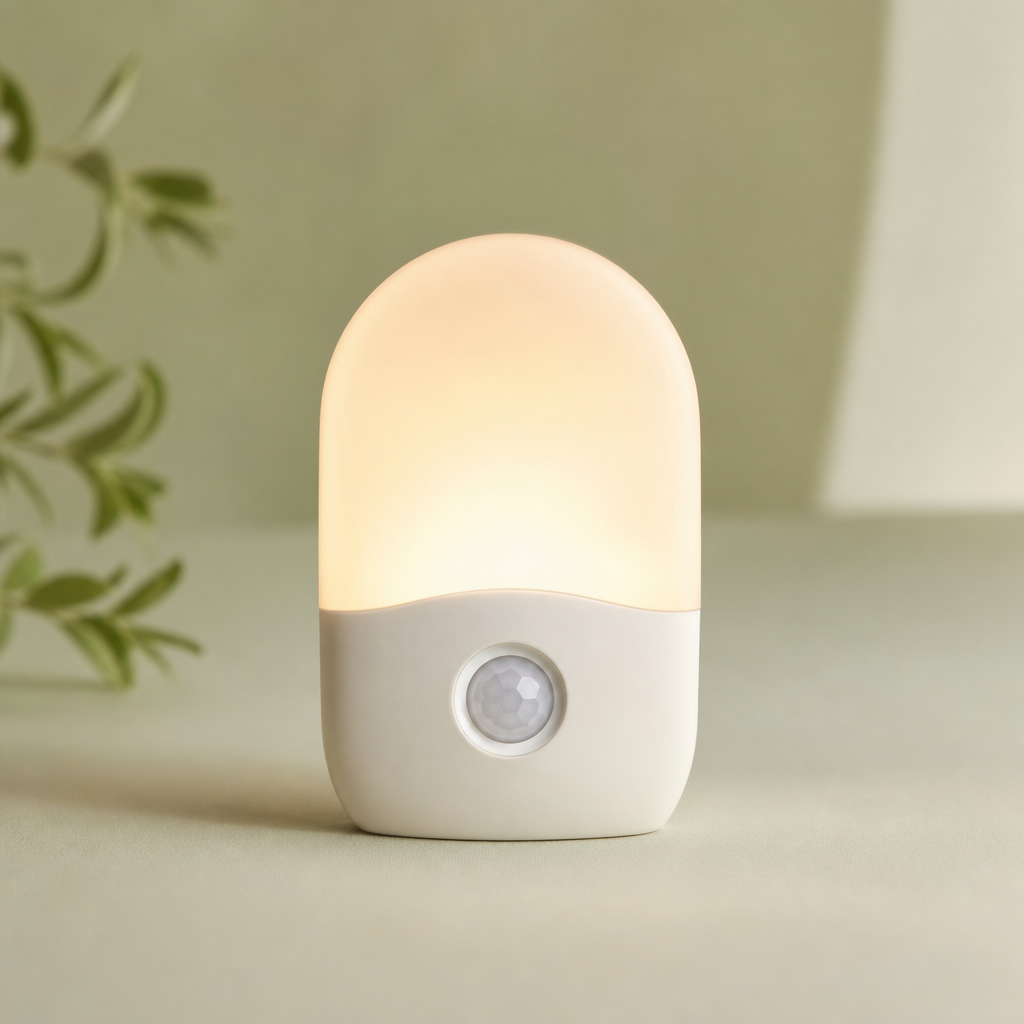
💡 Auto-Glow Motion Sensor Night Light (2-Pack)
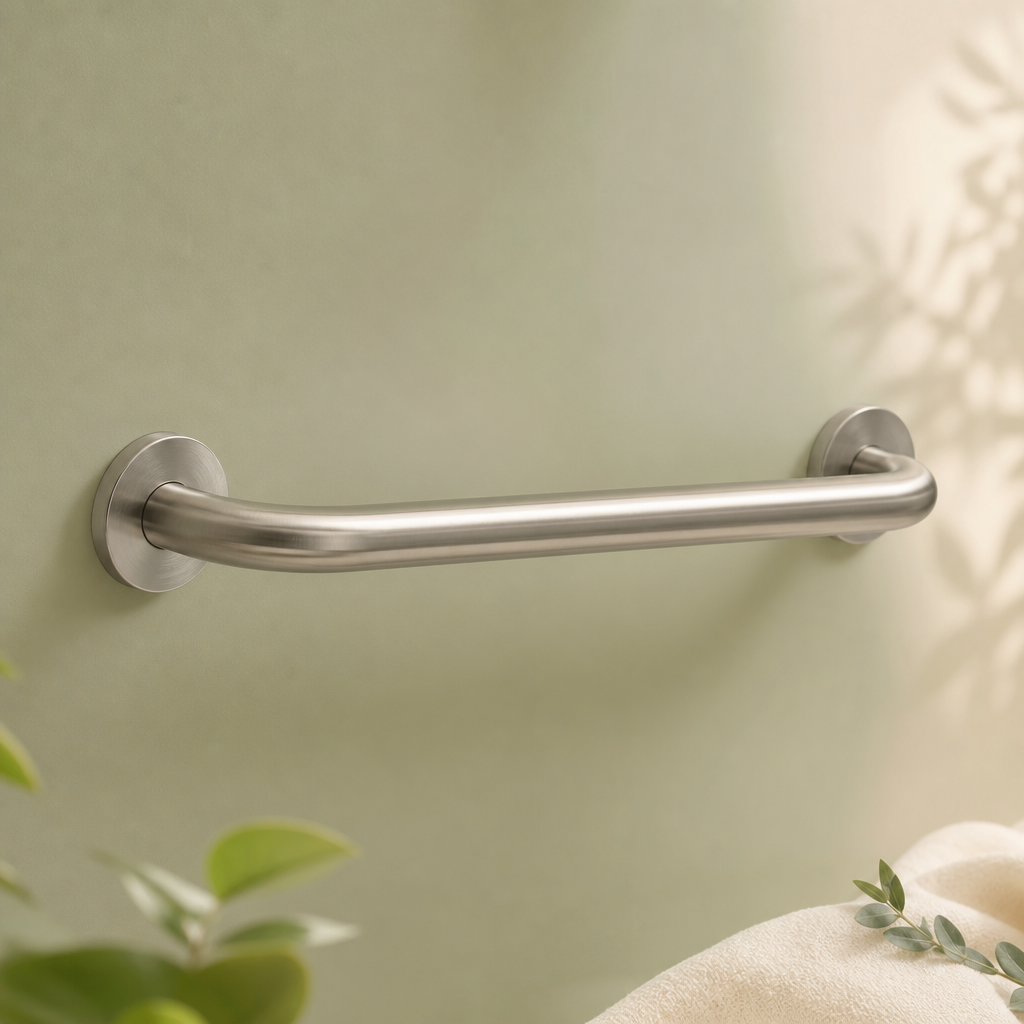
🛟 Wall-Mounted Stainless Steel Grab Bar
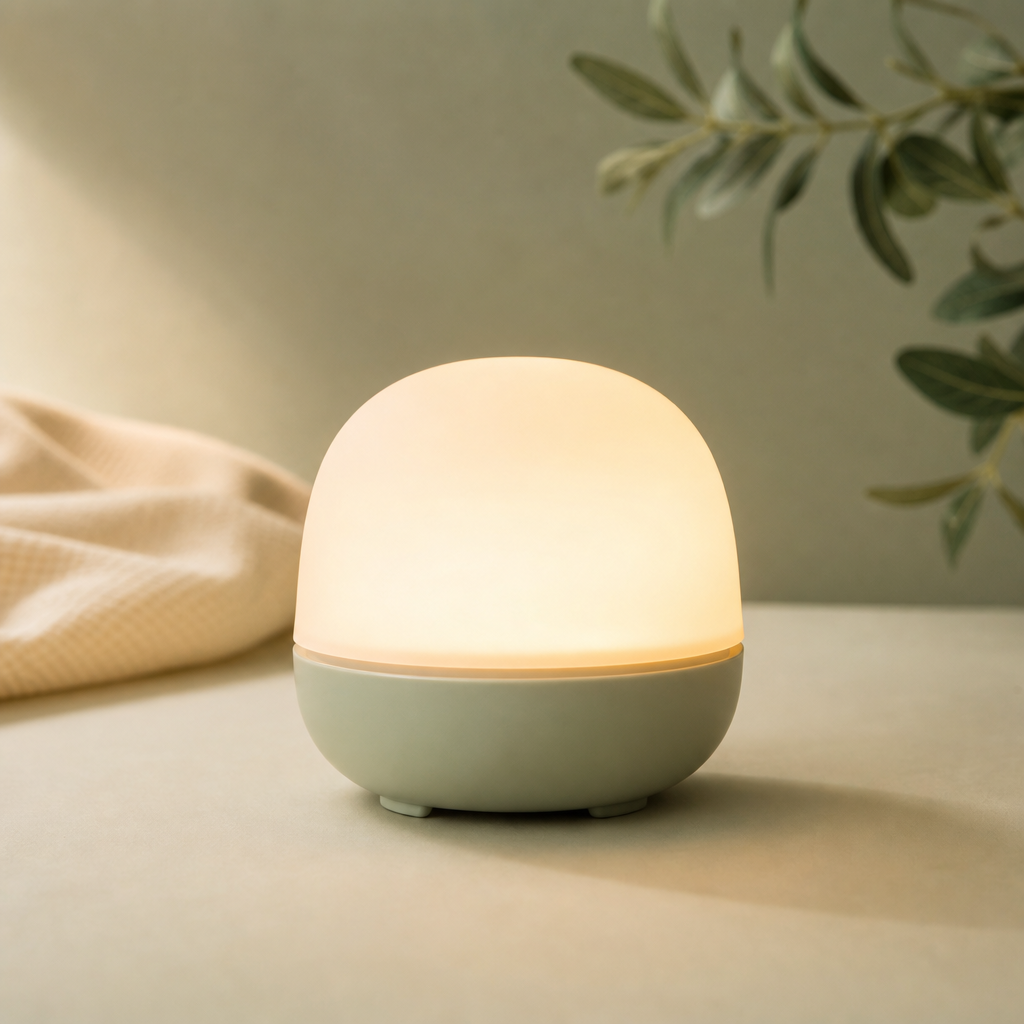
🌙 Soft-Glow Warm Bedside Night Light
A gentle note
The products featured on EverEase24 are everyday comfort, safety and convenience aids — not medical devices. Nothing on this site is intended to diagnose, treat, cure or prevent any condition, and our descriptions are not medical advice. Please follow each manufacturer's instructions, and consult a qualified professional for any health concern or before making changes for someone with a medical condition. We independently choose what we recommend; when you buy through our Amazon links we may earn a small commission at no extra cost to you.