
Making Stairs Safer: Your Simple Stairway Safety Checklist for Older Adults
4 min read

For many of us, stairs are an integral part of our home, connecting different living spaces and providing access to every corner. As we age, maintaining independence and comfort in our own homes becomes increasingly important. This includes feeling secure when using stairs.
We understand that ensuring safety doesn't mean sacrificing comfort or convenience. That's why we've put together a simple, practical checklist designed to help you, or your loved ones, assess and enhance stairway safety. It’s about making everyday routines easier and helping reduce the risk of slips or falls, so you can continue to enjoy your home to the fullest.
Clear the Clutter
The first step to safer stairs is ensuring the pathway is completely clear. Even small items can become tripping hazards, especially when vision isn't as sharp or balance isn't as steady. Take a moment to scan each step from top to bottom.
Look for shoes, books, laundry baskets, pet toys, or anything else that might be temporarily placed on the stairs. Make it a routine to keep these areas clear. A clutter-free stairway helps provide a clear path and reduces unexpected obstacles, making each step more predictable.
Brighten the Way
Good lighting is essential for navigating stairs safely, day or night. Dimly lit staircases can obscure steps, shadows can be deceiving, and obstacles might be missed. Adequate illumination helps ensure you can clearly see each step and any changes in elevation.
Check that all light bulbs are working and provide sufficient brightness for the entire stairway. Consider adding nightlights or motion-sensor lights at the top and bottom of the stairs, particularly if they are used frequently after dark. This added visibility makes daily routines easier and adds an extra layer of reassurance.
Secure Your Steps
The surface of your stairs plays a significant role in safety. Loose rugs, worn carpet, or slippery finishes can all contribute to a fall. Take a close look at the condition of each step.
If you have carpet, check for any loose edges, tears, or worn-out patches that could cause a trip. If your stairs are hardwood or tiled, consider adding non-slip treads or carpet runners that are securely fastened. These additions are designed to provide better grip and can help reduce the risk of slipping, adding extra stability with every step.
Steady Support: Handrails
Reliable handrails are perhaps one of the most crucial elements of stairway safety. They provide a steady point of contact and crucial support, especially when balance might be a concern. It’s always best to have sturdy handrails on both sides of the staircase, if possible.
Check that any existing handrails are firmly attached to the wall and don’t wobble. They should extend the full length of the stairs, both at the top and bottom, allowing for continuous support. Ensure they are easy to grip and at a comfortable height, helping you maintain stability as you ascend or descend.
A Step Towards Greater Confidence
Taking a few simple steps to review and improve your stairway safety can make a real difference in maintaining comfort and independence in your home. This checklist isn't just about identifying potential hazards; it's about proactively creating a more secure and inviting environment.
By addressing these common areas, you're helping to reduce the risk of slips and falls, making every journey up and down the stairs a little bit easier and a lot more confident. Prioritising these small adjustments can lead to greater peace of mind for both older adults and their loved ones.
Frequently asked questions
Featured products
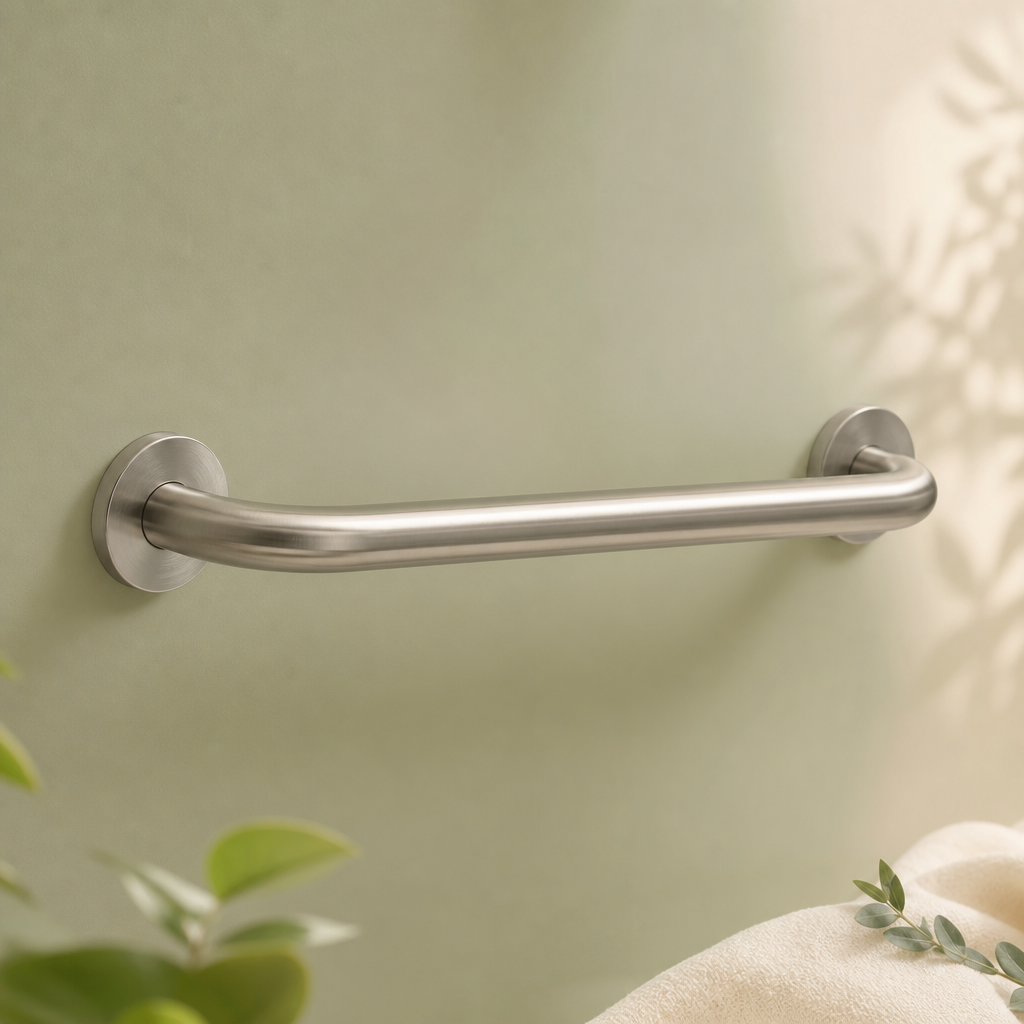
🛟 Wall-Mounted Stainless Steel Grab Bar
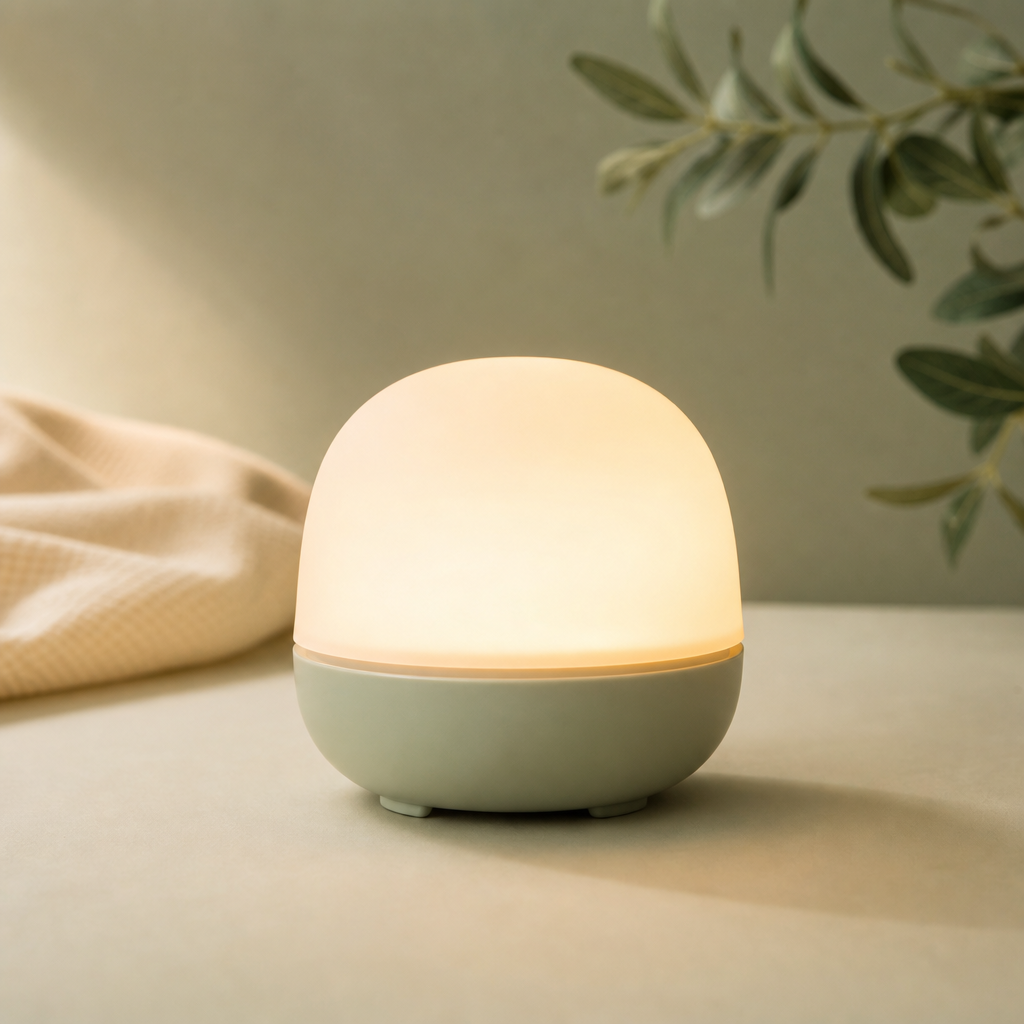
🌙 Soft-Glow Warm Bedside Night Light
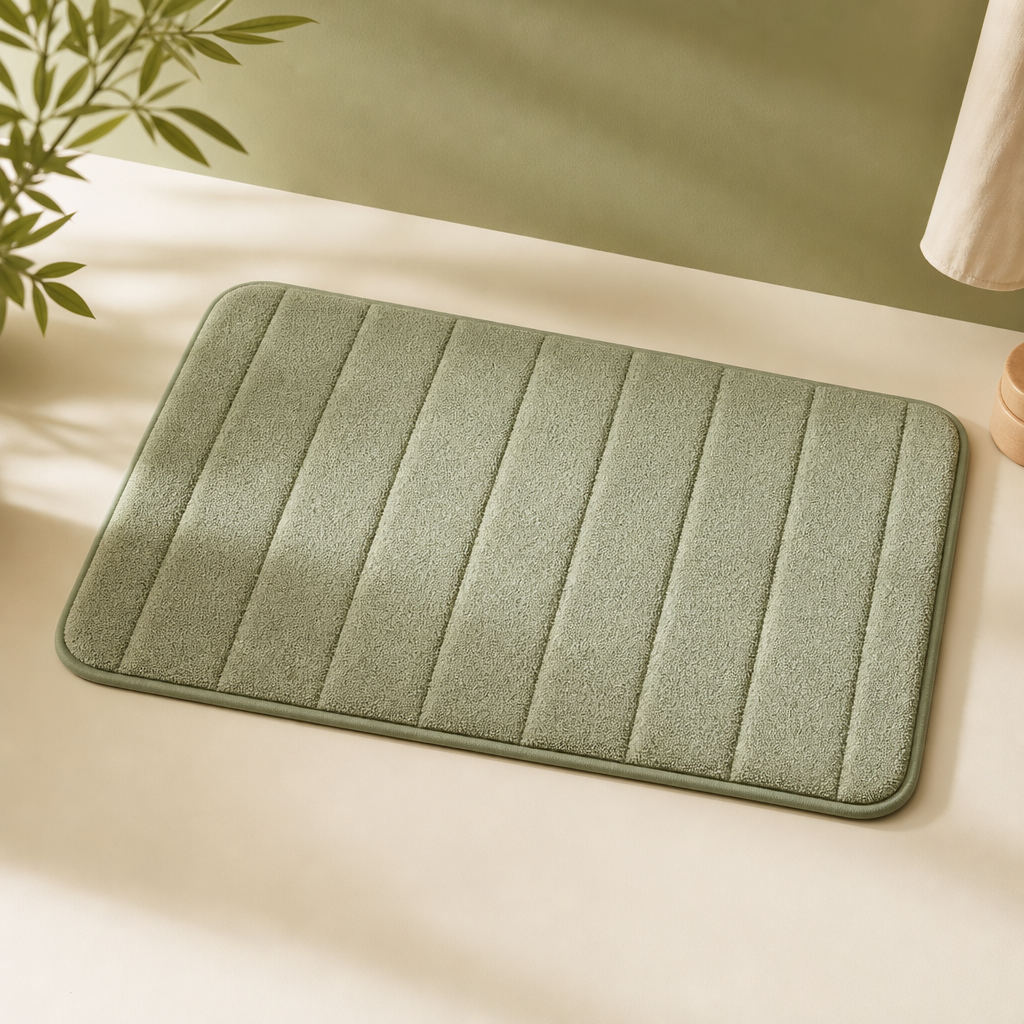
🛁 Non-Slip Comfort Bath Mat for Safer Steps
A gentle note
The products featured on EverEase24 are everyday comfort, safety and convenience aids — not medical devices. Nothing on this site is intended to diagnose, treat, cure or prevent any condition, and our descriptions are not medical advice. Please follow each manufacturer's instructions, and consult a qualified professional for any health concern or before making changes for someone with a medical condition. We independently choose what we recommend; when you buy through our Amazon links we may earn a small commission at no extra cost to you.