
Your Living Room Safety Checklist: Comfort & Peace of Mind for Older Adults
6 min read

The living room is often the heart of the home, a place for relaxation, entertainment, and cherished family moments. As we age, ensuring this central space is not only comfortable but also safe becomes increasingly important. Simple adjustments can make a significant difference, helping to reduce common hazards and support independent living.
This guide offers a practical, easy-to-follow checklist designed to help you or your loved ones create a living room that promotes comfort, stability, and peace of mind. From thoughtful furniture placement to smart lighting solutions, these tips are designed to make daily routines easier and your home a welcoming, secure haven.
Clear the Clutter & Create Clear Paths
One of the simplest yet most effective safety measures is to ensure all pathways in your living room are clear and unobstructed. Take a moment to look at your space from the perspective of someone with potentially reduced mobility or vision. Are there items on the floor that could be tripped over?
Managing electrical cords is another key step. Loose cords for lamps, televisions, or charging devices can easily become tripping hazards. Consider using cord covers or securing them along the baseboards or behind furniture to keep them neatly out of the way. Regularly decluttering helps maintain clear walking areas, making it easier and safer to move around.
Furniture & Layout for Comfort and Stability
The way your furniture is arranged, and the type of furniture you have, can greatly impact safety and ease of use. Ensure that chairs and sofas are sturdy and offer good support, making it easier to sit down and stand up. Furniture risers can sometimes be used to adjust the height of a favourite chair, offering extra stability when transitioning.
Position furniture to allow for wide, clear pathways, especially between seating areas and exits. Coffee tables and end tables should be stable and have rounded edges if possible, to help prevent accidental bumps. Make sure frequently used items, like remote controls, reading glasses, and drinks, are within easy reach from your preferred seating spot, reducing the need to stretch or stand unnecessarily.
Lighting, Rugs & Other Important Details
Good lighting is fundamental for safety. Ensure your living room is well-lit, with a combination of overhead lights and task lighting, such as floor lamps or table lamps, to illuminate reading areas or darker corners. Consider adding nightlights or motion-activated lights, especially if there’s a pathway to a bathroom or kitchen nearby, to help navigate safely after dark.
Area rugs can add warmth and style, but if not properly secured, they can become a serious tripping hazard. If you have rugs, make sure they have non-slip backing or are anchored with rug tape to prevent them from shifting. Low-pile rugs are often a safer choice than high-pile options. Also, check that door thresholds are smooth and low, minimizing any bumps in the floor.
Your Journey to a Safer, More Comfortable Home
Creating a safer living room environment doesn't have to be a daunting task. By taking small, practical steps, you can significantly enhance the comfort and security of your home. Regularly checking your living space for potential hazards and making simple adjustments helps maintain an environment where you or your loved ones can live independently and enjoy their home with greater peace of mind. We hope this checklist serves as a helpful guide on your journey.
Frequently asked questions
Featured products
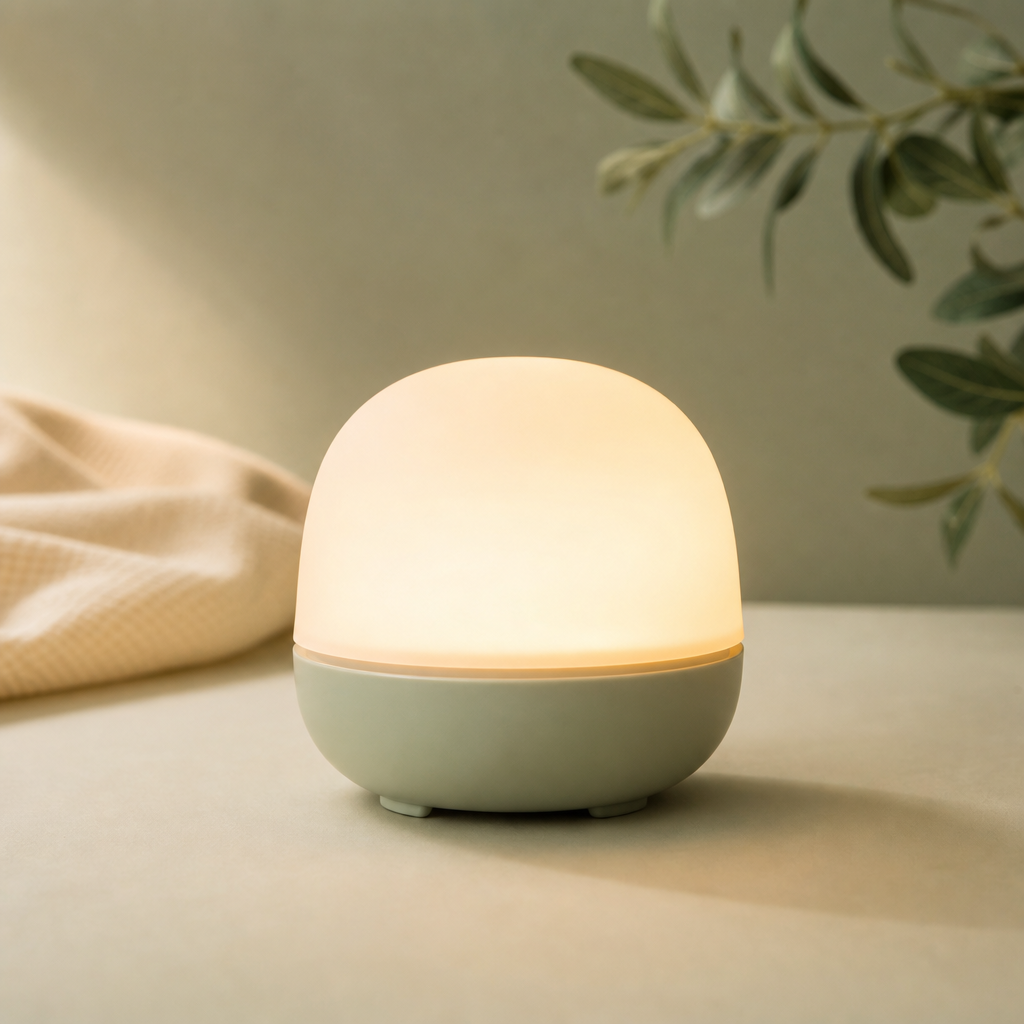
🌙 Soft-Glow Warm Bedside Night Light
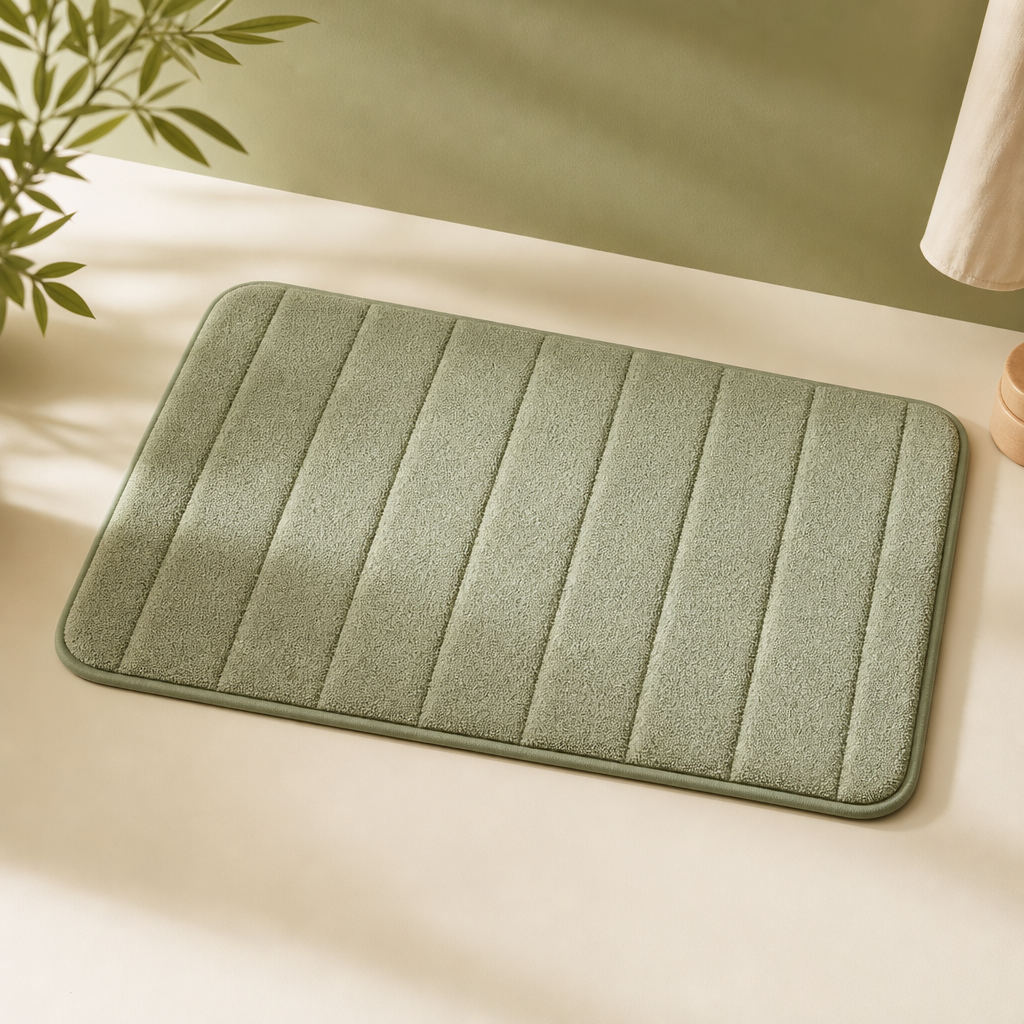
🛁 Non-Slip Comfort Bath Mat for Safer Steps
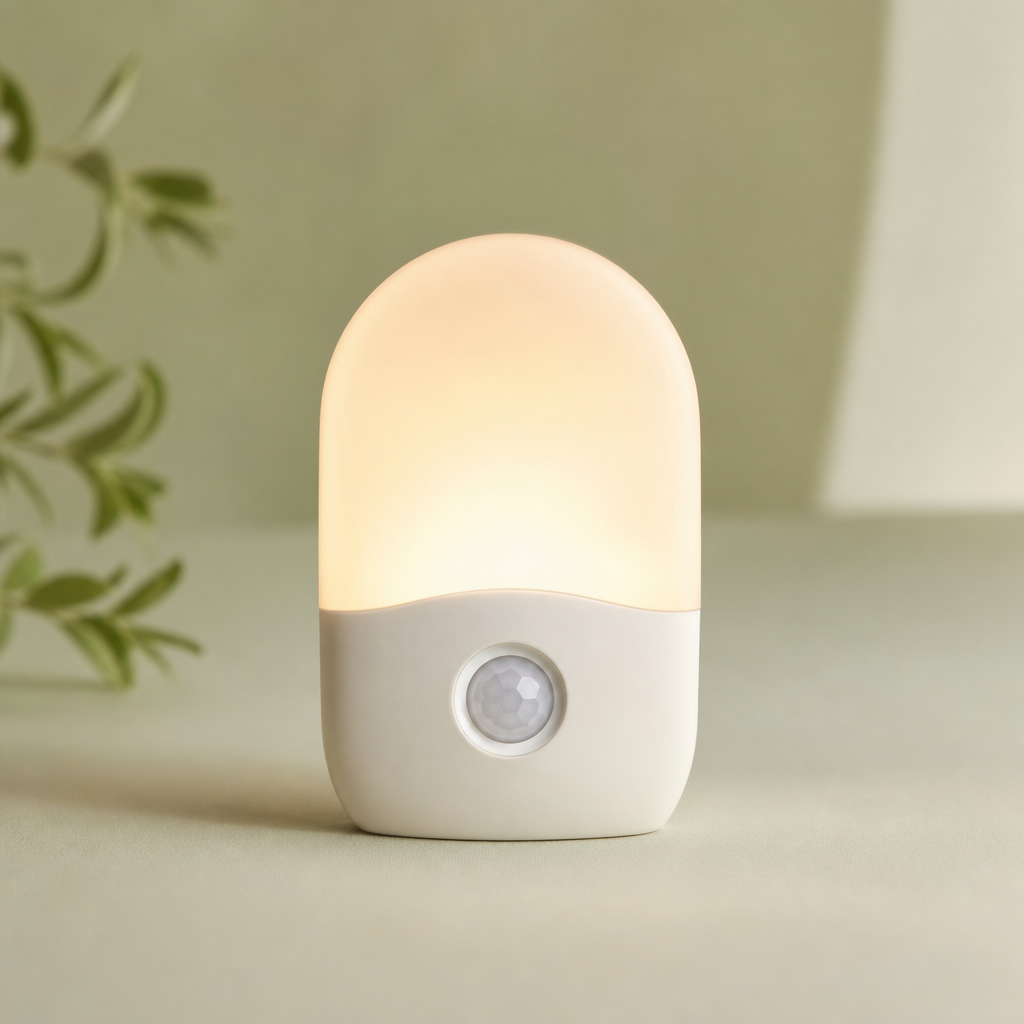
💡 Auto-Glow Motion Sensor Night Light (2-Pack)
A gentle note
The products featured on EverEase24 are everyday comfort, safety and convenience aids — not medical devices. Nothing on this site is intended to diagnose, treat, cure or prevent any condition, and our descriptions are not medical advice. Please follow each manufacturer's instructions, and consult a qualified professional for any health concern or before making changes for someone with a medical condition. We independently choose what we recommend; when you buy through our Amazon links we may earn a small commission at no extra cost to you.