
A Simple Kitchen Safety Checklist for Independent Living
4 min read

The kitchen is often considered the heart of the home, a place for preparing delicious meals, enjoying a warm cup of tea, and gathering with loved ones. For older adults, maintaining independence in the kitchen is incredibly important, allowing for continued enjoyment of cooking and daily routines. Ensuring this space is safe and comfortable doesn't have to be complicated.
At EverEase24, we believe in empowering you or your loved ones to live independently and comfortably at home. This simple kitchen safety checklist is designed to help you identify and address potential concerns, making your kitchen a more accessible and worry-free environment. Let's explore some easy steps to enhance safety and keep the joy of the kitchen alive.
Clear Pathways and Stable Ground
One of the most common causes of accidents in the home is tripping. In the kitchen, this can be particularly hazardous due to hot liquids, sharp objects, and heavy appliances. Regularly checking that all pathways are clear and free from clutter is a great first step.
Consider removing any loose rugs or securing them with non-slip backing to help reduce the risk of slipping. Ensure that electrical cords are tucked away safely and not stretched across walking areas. Good lighting is also crucial, especially around preparation areas and walking paths, helping to improve visibility and confidence.
Fire Safety and Burn Prevention
The stovetop and oven are central to many kitchen activities but also pose the highest risk of fire and burns. Never leave cooking unattended, especially when using high heat or frying. Keeping a lid handy to smother small pan fires is a practical tip.
Always use oven mitts or pot holders when handling hot items, and ensure they are dry to avoid steam burns. It’s also important to regularly check that your smoke detectors are working correctly; a quick monthly test helps ensure they're ready to alert you if needed. Consider keeping a small, easy-to-use fire extinguisher in an accessible spot, and know how to use it safely.
Smart Storage and Easy Access
Reaching for items that are too high or bending too low can lead to strain or loss of balance. Organizing your kitchen so that frequently used items are within easy reach can make daily tasks much simpler and safer. Store heavy items at waist height whenever possible.
For items you use less often, a sturdy step stool with a handrail can add extra stability and confidence when reaching into higher cabinets. Consider lightweight pots and pans, and ergonomic utensils that are designed for comfort and ease of grip, making cooking a more enjoyable experience.
Appliances and Electrical Awareness
Kitchen appliances make life easier, but it's important to use them safely. Regularly check appliance cords for fraying or damage and replace them if necessary. Avoid overloading electrical outlets, which can be a fire hazard.
Simple habits like unplugging small appliances when not in use can help prevent accidental activation. When using kettles or microwaves, ensure they are on a stable, flat surface and that their cords are not dangling where they could be pulled or tripped over. Using appliances with clear, easy-to-read controls also helps make daily routines easier.
Enjoying Your Kitchen Safely
Taking these simple steps can make a big difference in the safety and comfort of your kitchen. Our goal at EverEase24 is to support your desire for independent living with practical, thoughtful solutions. A safe kitchen means more confident cooking, more enjoyable meals, and more cherished moments in the heart of your home. Feel empowered to continue creating and sharing in a space designed for your comfort and safety.
Frequently asked questions
Featured products
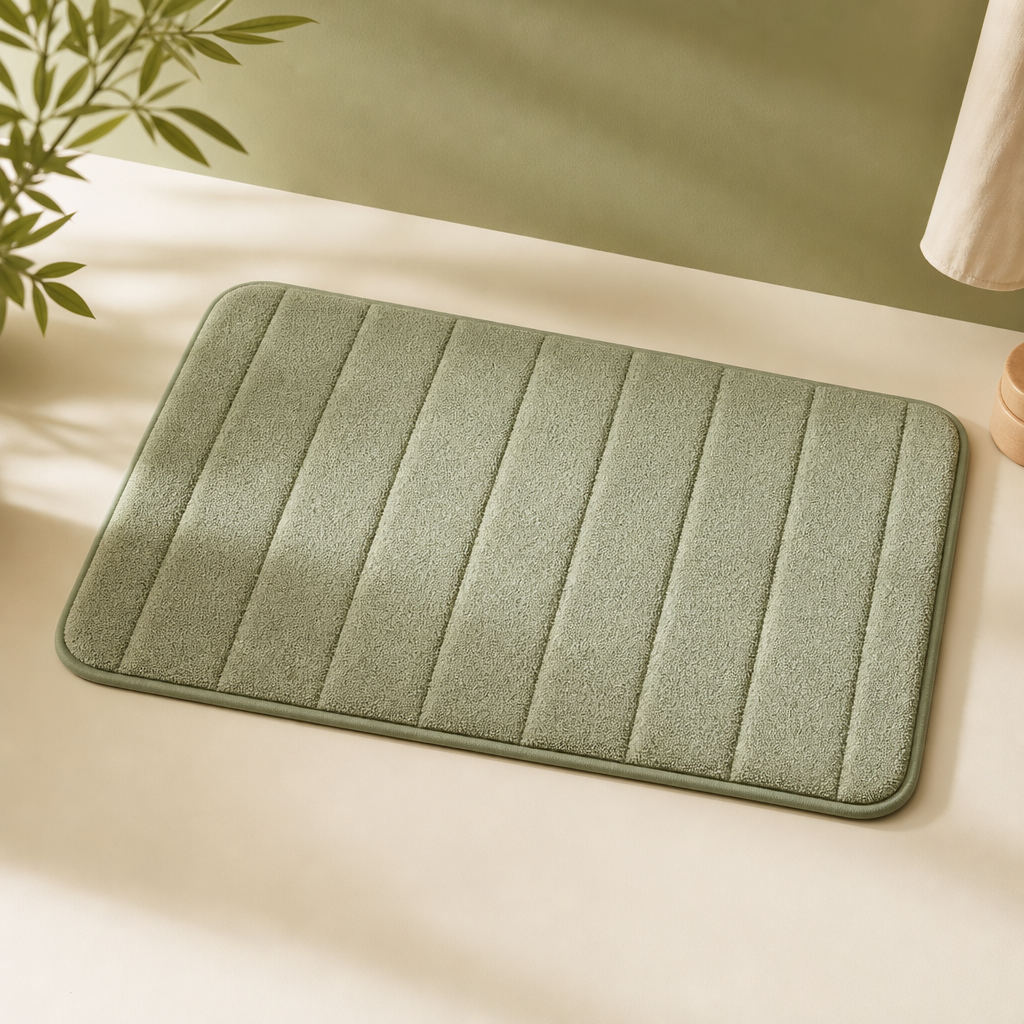
🛁 Non-Slip Comfort Bath Mat for Safer Steps
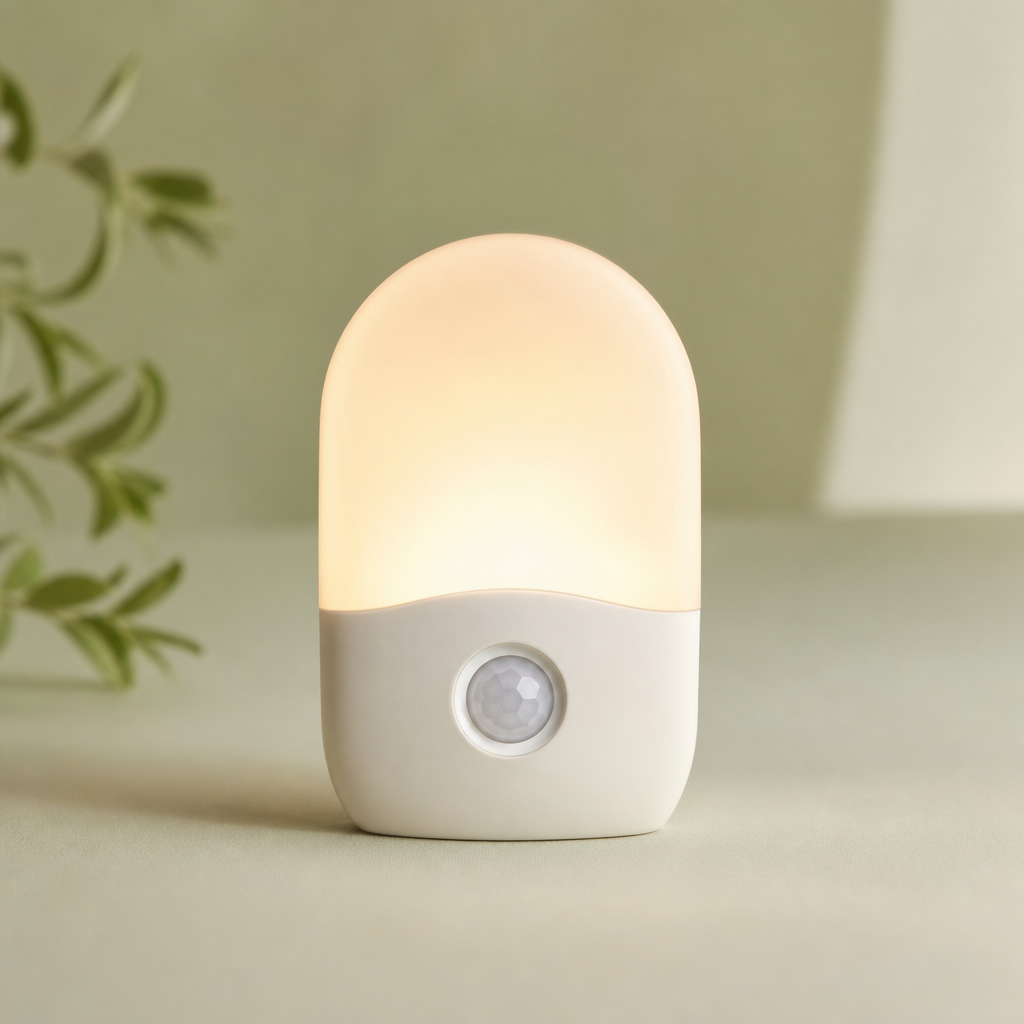
💡 Auto-Glow Motion Sensor Night Light (2-Pack)
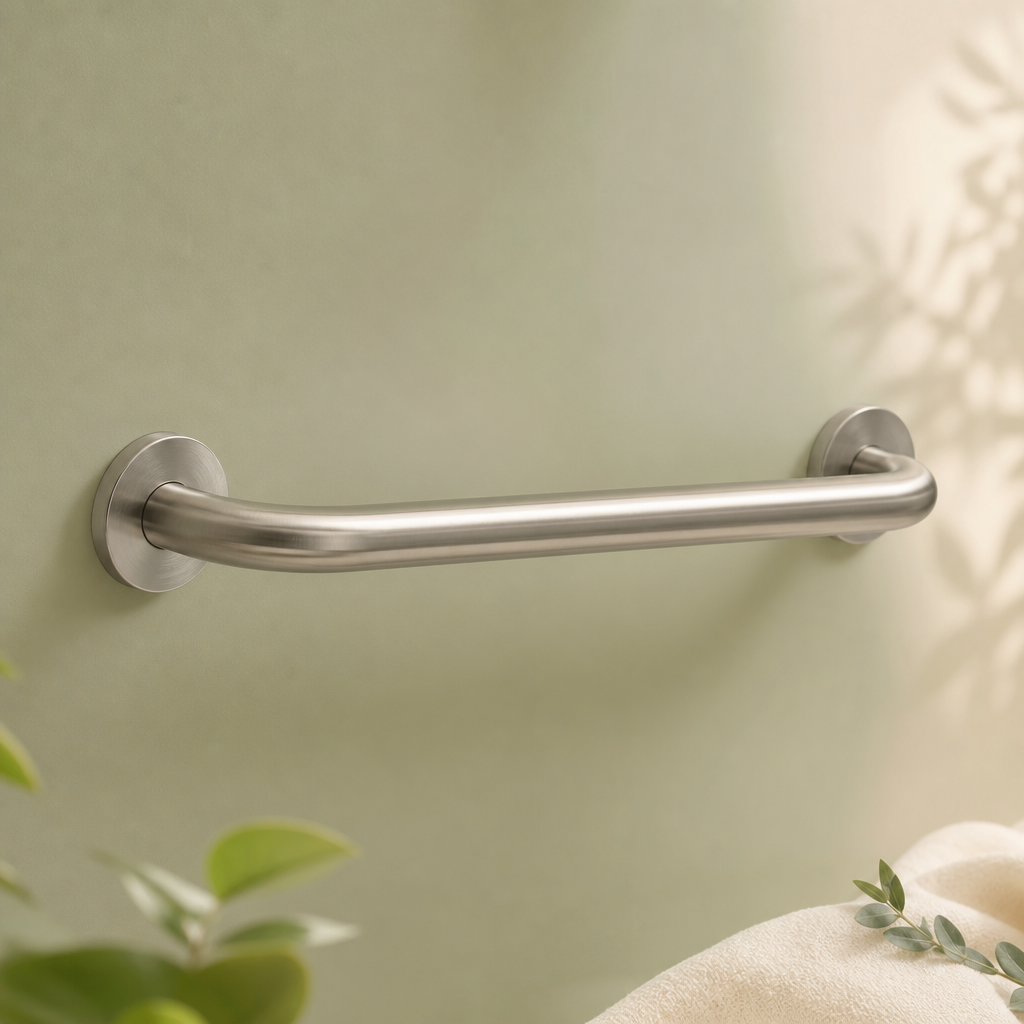
🛟 Wall-Mounted Stainless Steel Grab Bar
A gentle note
The products featured on EverEase24 are everyday comfort, safety and convenience aids — not medical devices. Nothing on this site is intended to diagnose, treat, cure or prevent any condition, and our descriptions are not medical advice. Please follow each manufacturer's instructions, and consult a qualified professional for any health concern or before making changes for someone with a medical condition. We independently choose what we recommend; when you buy through our Amazon links we may earn a small commission at no extra cost to you.