
Your Simple Hallway Safety Checklist for Older Adults
4 min read
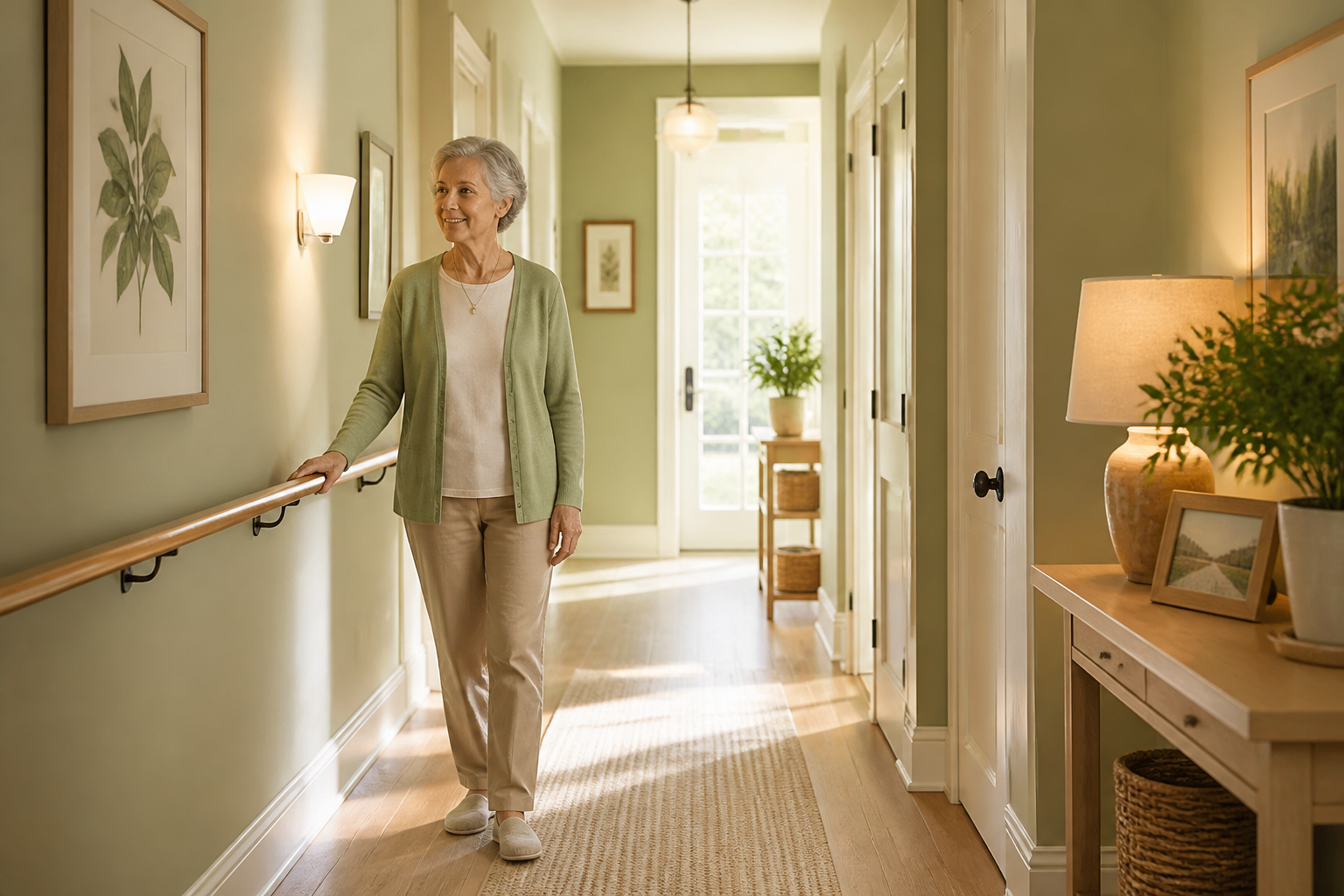
The hallway, often a bustling thoroughfare in our homes, plays a crucial role in daily movement. For older adults, navigating these essential pathways safely can significantly impact their comfort and confidence in independent living. A well-prepared hallway makes daily routines smoother and helps prevent common household hazards.
At EverEase24, we believe that small, thoughtful adjustments can make a profound difference. This simple checklist is designed to help you assess and enhance the safety of your hallways, creating a more secure and reassuring environment for everyone.
Light Up the Path: Optimal Lighting
Good lighting is paramount in any hallway, especially during nighttime or early morning hours. Ensure your hallways are brightly and evenly lit from end to end, with no dim spots or shadows that could obscure obstacles.
Consider installing motion-sensor lights or reliable nightlights, which can activate automatically when movement is detected, helping to guide the way without needing to fumble for switches. Brighter bulbs in overhead fixtures can also make a significant difference, helping to improve visibility and overall comfort.
Clear the Way: Keeping Paths Obstacle-Free
A clear pathway is a safe pathway. Hallways can easily become collection points for shoes, bags, decorative items, or even pet toys. Regularly walk through your hallways and remove any clutter that could create a tripping hazard.
Ensure that furniture, like small tables or coat racks, doesn't impede movement or create narrow passages. Keep electrical cords tucked away securely along walls or under cord covers to prevent accidental trips.
Step Safely: Secure Flooring and Surfaces
The type and condition of your flooring can greatly affect safety. Loose rugs, worn carpets, or slick surfaces can all contribute to slips and falls. If you have throw rugs, ensure they have non-slip backing or are secured with rug grippers.
For hard floors, consider non-slip treatments or ensure they are kept dry and free from spills. Check for any uneven transitions between different flooring types or raised thresholds and address them to create a smoother, safer walking surface.
Support Where You Need It: Handrails and Grab Bars
Strategically placed support can add an extra layer of stability and confidence. If your hallway includes steps or a ramp, make sure sturdy handrails are present on both sides and extend beyond the first and last step.
Even in longer, flat hallways, a single, well-installed handrail along one wall can provide gentle assistance, especially for those who might benefit from a little extra balance. Grab bars, while often associated with bathrooms, can also be helpful in specific hallway areas where additional support is desired for tasks like putting on shoes.
Small Changes, Big Impact: A Thoughtful Approach
By taking a few moments to review these points, you're making a proactive choice to enhance comfort and safety within the home. These simple steps are designed to help reduce the risk of accidents and support continued independent living, giving you and your loved ones greater peace of mind. A little attention to these details can help ensure every step through your home is a confident one.
Frequently asked questions
Featured products
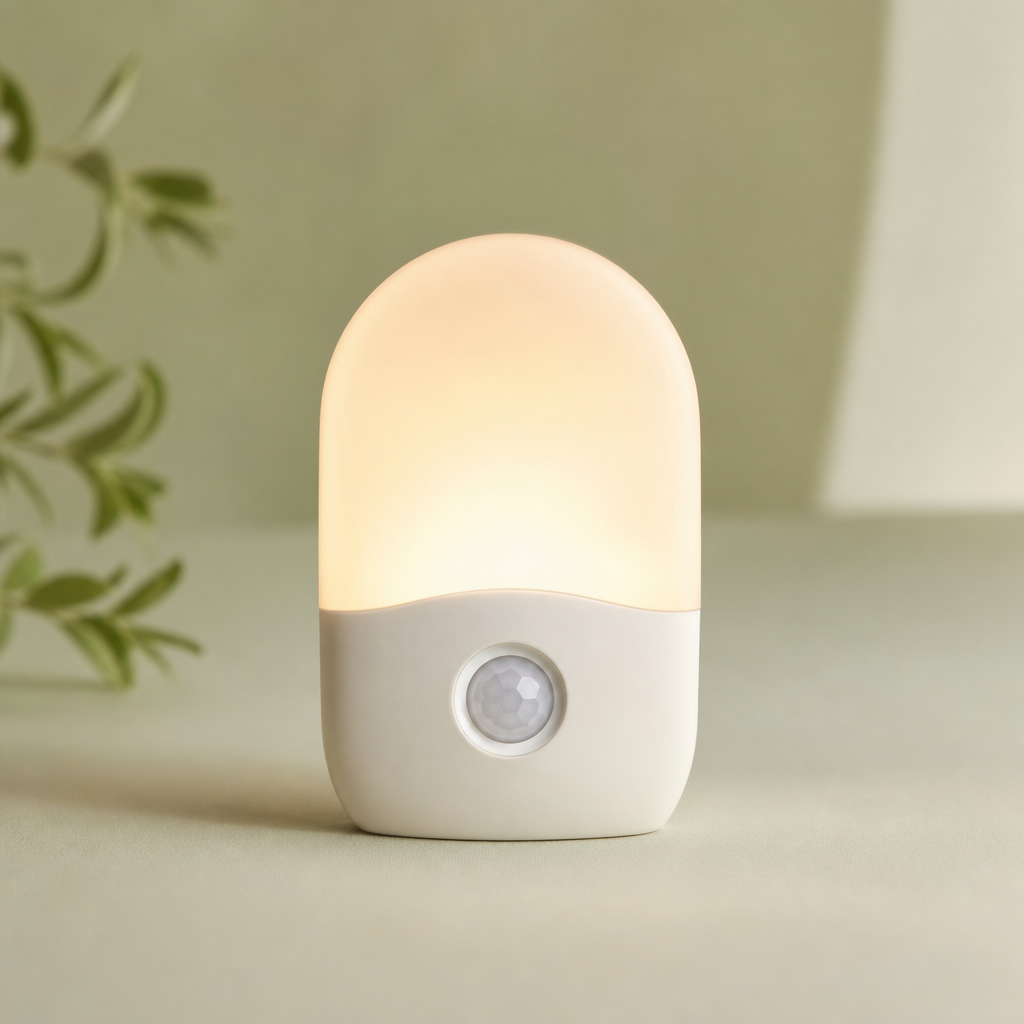
💡 Auto-Glow Motion Sensor Night Light (2-Pack)
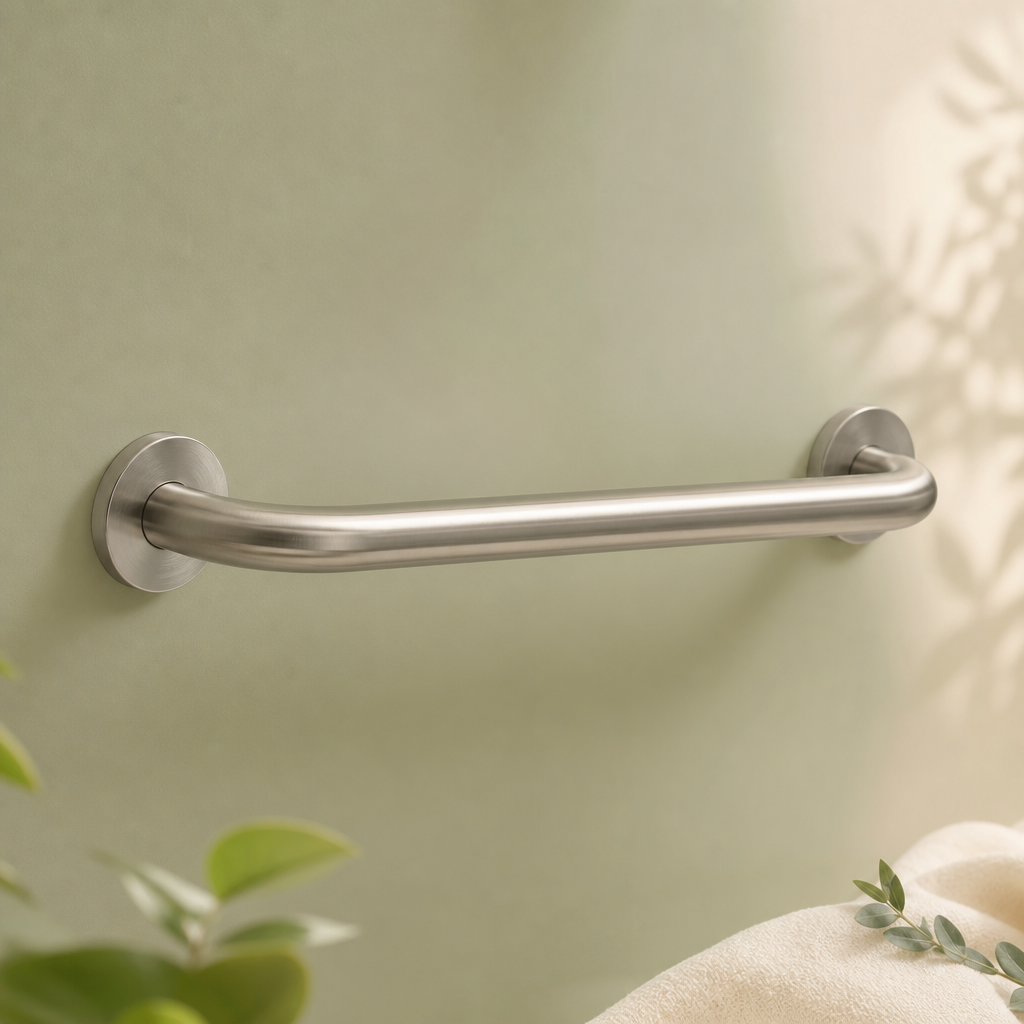
🛟 Wall-Mounted Stainless Steel Grab Bar
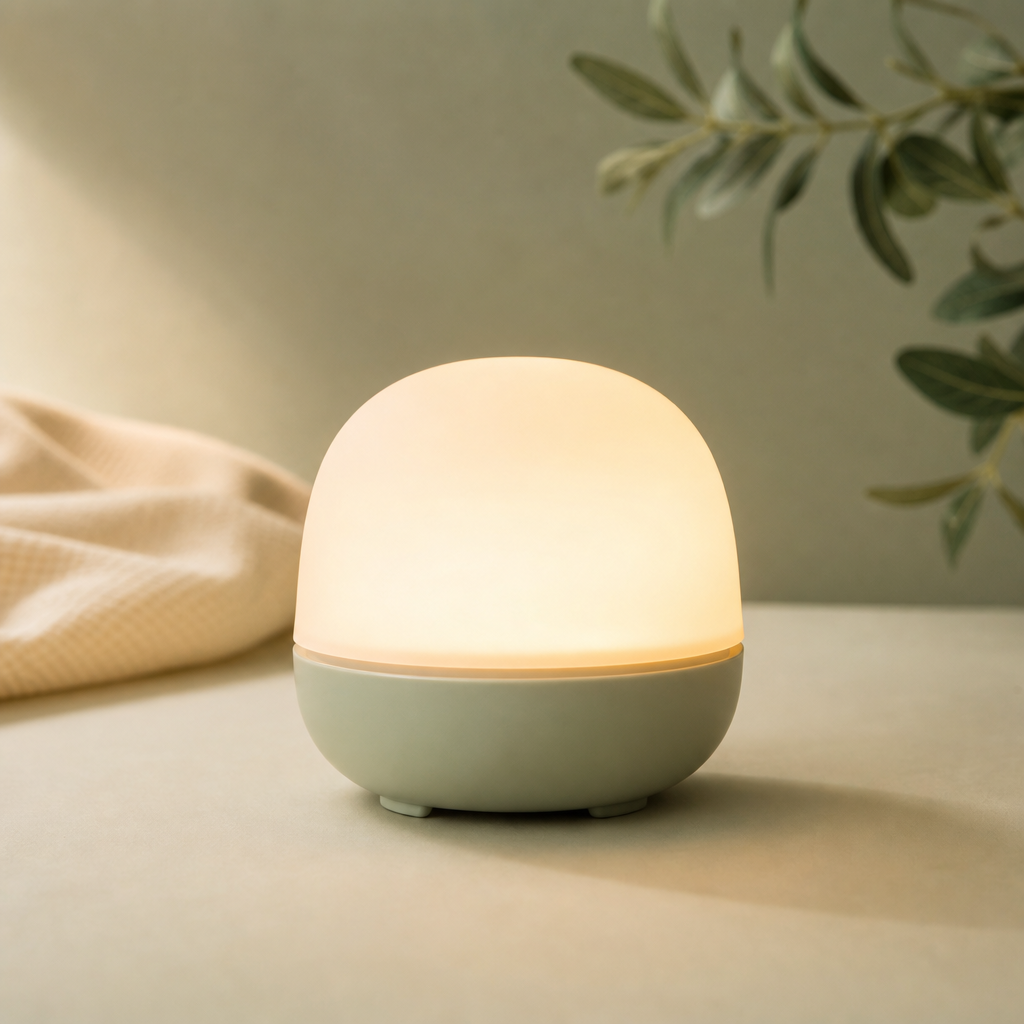
🌙 Soft-Glow Warm Bedside Night Light
A gentle note
The products featured on EverEase24 are everyday comfort, safety and convenience aids — not medical devices. Nothing on this site is intended to diagnose, treat, cure or prevent any condition, and our descriptions are not medical advice. Please follow each manufacturer's instructions, and consult a qualified professional for any health concern or before making changes for someone with a medical condition. We independently choose what we recommend; when you buy through our Amazon links we may earn a small commission at no extra cost to you.