
Basement Safety Checklist: A Practical Guide for Older Adults
6 min read
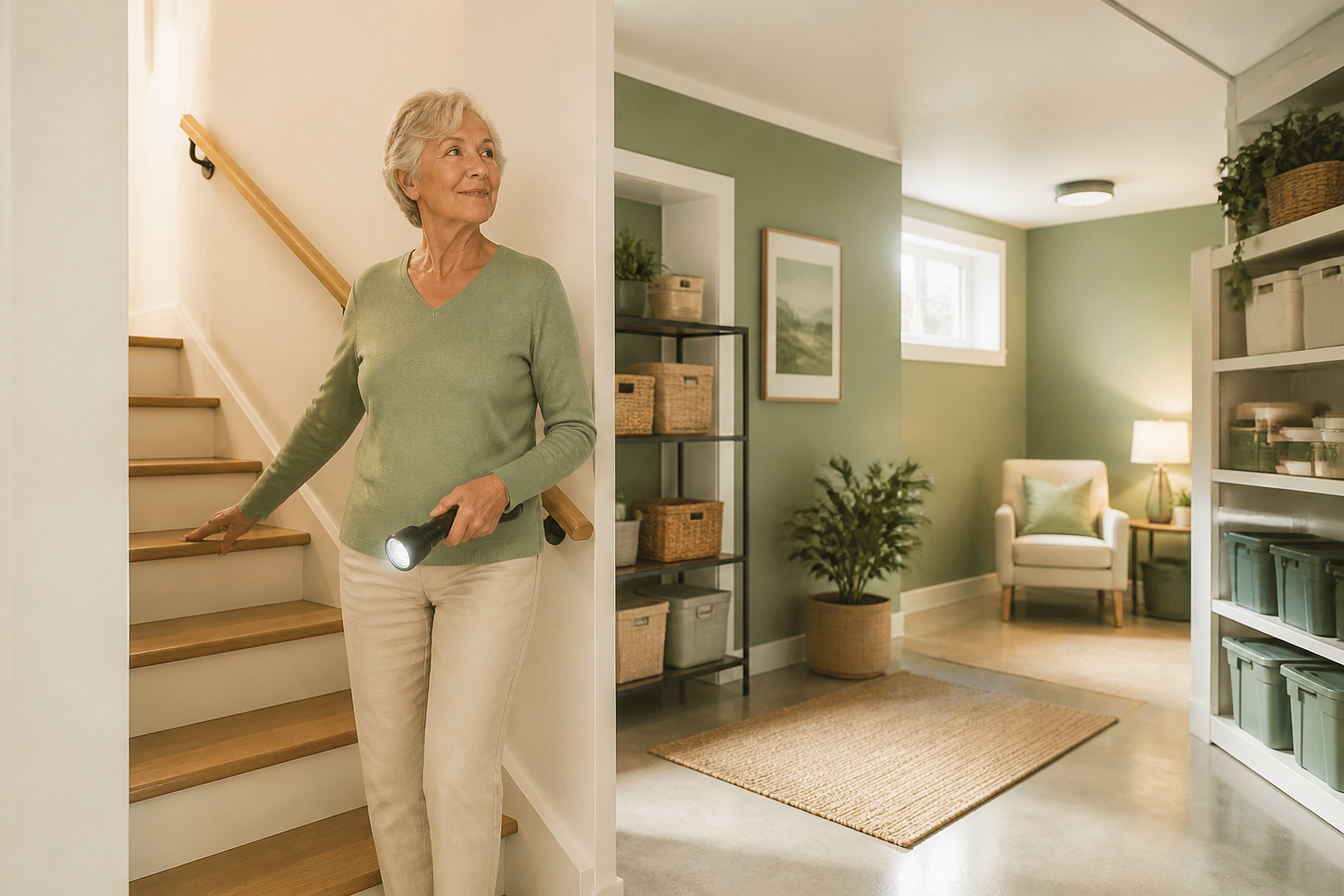
The basement can be an incredibly useful part of any home, serving as a laundry area, storage space, or even an extra living area. For older adults, ensuring this often-overlooked space is safe and accessible is a key part of maintaining comfort and independence at home.
Taking a proactive approach to basement safety doesn't have to be overwhelming. This simple checklist is designed to help you identify and address common hazards, making your basement a more secure and comfortable environment for everyone.
Brightening Up Your Basement: Lighting and Visibility
Good lighting is fundamental to preventing trips and falls, especially in areas with stairs or uneven surfaces. Begin by checking all light fixtures to ensure they are working properly and consider upgrading to brighter LED bulbs, which provide clearer illumination and use less energy. Installing motion-sensor lights in entryways or high-traffic areas can be a thoughtful addition, helping to light the way automatically.
Beyond brightness, think about how light fills the space. Ensure light switches are easily accessible at the top and bottom of stairs, and avoid placing furniture or tall items that cast large shadows. Reducing glare with appropriate covers on bare bulbs can also enhance visibility and make the space feel more inviting.
Navigating Stairs and Clearing Pathways
Stairs are often the most challenging part of accessing a basement. Make sure handrails are securely fastened on both sides of any staircase, extending beyond the first and last steps. Adding contrasting non-slip strips to each stair tread helps to highlight the edge of each step, reducing the risk of missteps.
Clutter is a major trip hazard in any home, and basements can often become collection points for stored items. Take time to clear pathways, especially around staircases, laundry areas, and utility access points. Consider shelving units or sturdy storage bins to keep items organized and off the floor, making daily routines safer and more convenient.
Environmental Checks and Emergency Preparedness
Beyond physical obstacles, the basement environment itself requires attention. Ensure smoke detectors and carbon monoxide detectors are installed and regularly tested – ideally, once a month. Keep emergency exits clear and easily accessible, and confirm that windows can open freely. Checking for dampness or leaks is also important; addressing these issues can prevent mold growth and maintain a healthier living space.
Finally, think about utility access. Ensure gas and water shut-off valves are clearly marked and accessible in case of an emergency. Keeping a well-stocked, easily reachable emergency kit with essentials like a flashlight, first-aid supplies, and a battery-powered radio can provide extra peace of mind.
Embracing a Safer Home
Creating a safer basement is a valuable investment in comfort and independence. By following these simple steps, you're not just preventing potential hazards; you're enhancing the usability and enjoyment of your entire home. A little proactive care goes a long way in ensuring your living space supports a vibrant, worry-free lifestyle for years to come.
Frequently asked questions
Featured products
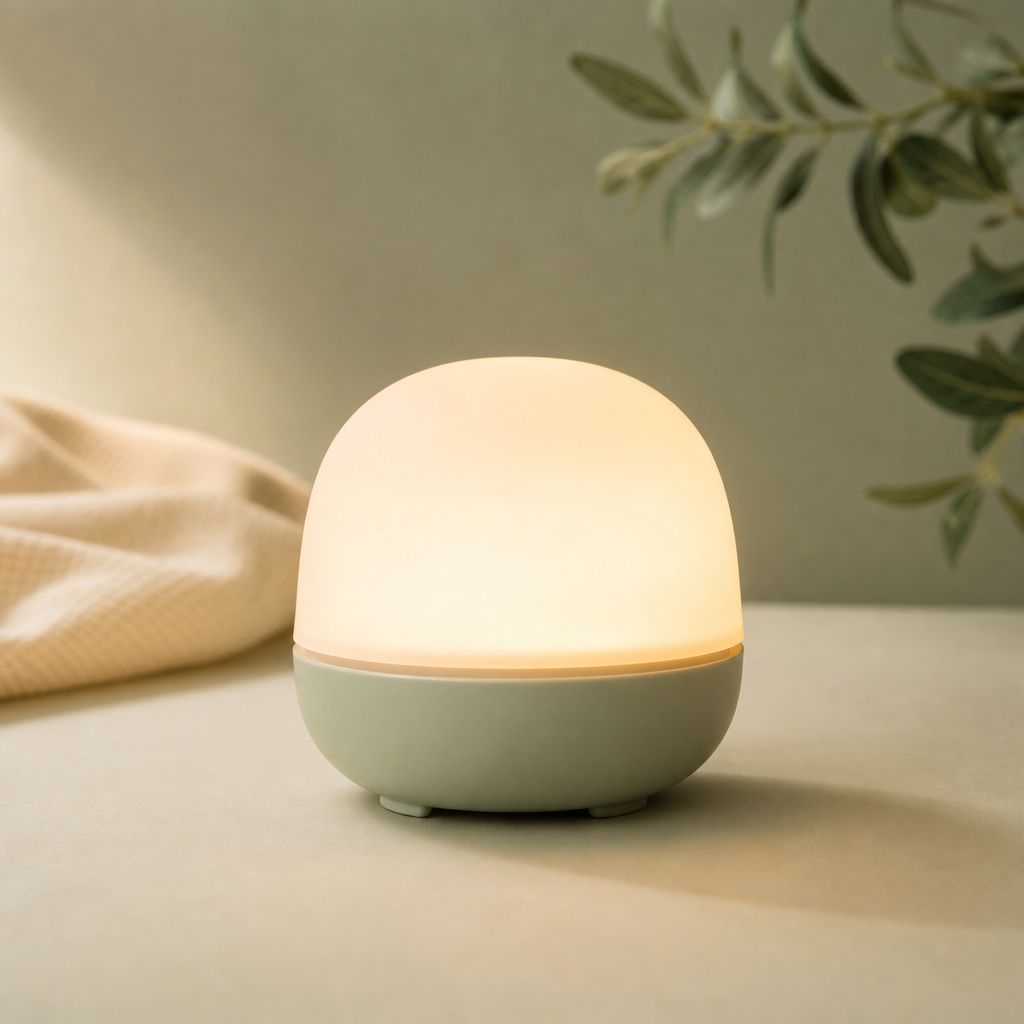
🌙 Soft-Glow Warm Bedside Night Light

🛁 Non-Slip Comfort Bath Mat for Safer Steps
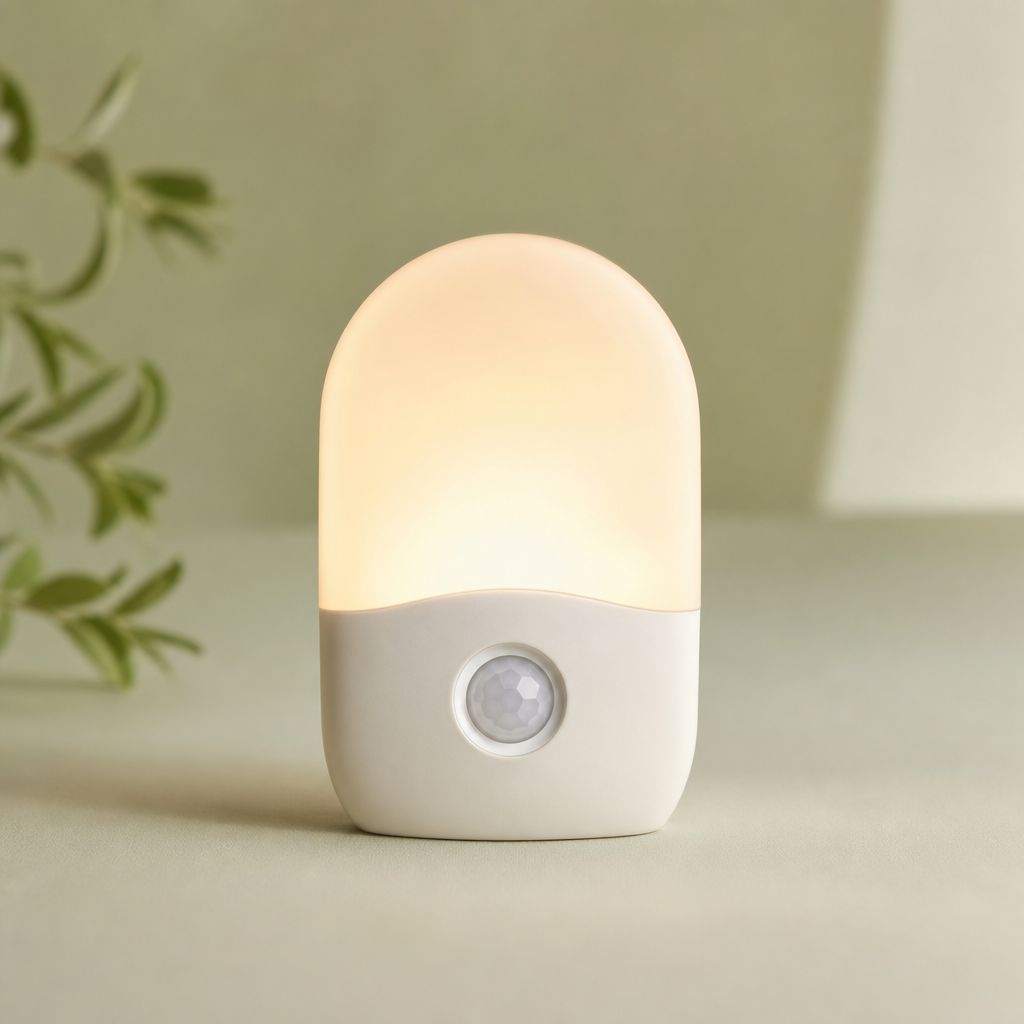
💡 Auto-Glow Motion Sensor Night Light (2-Pack)
A gentle note
The products featured on EverEase24 are everyday comfort, safety and convenience aids — not medical devices. Nothing on this site is intended to diagnose, treat, cure or prevent any condition, and our descriptions are not medical advice. Please follow each manufacturer's instructions, and consult a qualified professional for any health concern or before making changes for someone with a medical condition. We independently choose what we recommend; when you buy through our Amazon links we may earn a small commission at no extra cost to you.