
Making Stairways Safer for Seniors: A Practical Guide for Independent Living
6 min read

For many of us, navigating the stairs is a routine part of daily life. However, as we age, changes in balance, vision, and strength can make stairways a particular area of concern within the home. Ensuring stair safety is key to maintaining independence and comfort for older adults.
At EverEase24, we understand the importance of a safe and supportive home environment. This guide offers practical, easy-to-implement strategies to help reduce the risk of accidents on the stairs, making daily routines easier and more secure for everyone.
Illuminate Every Step with Bright, Even Lighting
Good lighting is one of the most fundamental aspects of stairway safety. Dimly lit stairs can hide hazards, obscure step edges, and make depth perception challenging. Ensure that both the top and bottom of your staircase, as well as every step in between, are brightly and evenly lit.
Consider installing energy-efficient LED lighting that offers clear visibility without harsh glare. Motion-sensor lights can be particularly helpful, automatically illuminating the path as someone approaches, making nighttime trips to the bathroom or kitchen much safer and more convenient.
Install Sturdy Handrails on Both Sides
Handrails provide crucial support and stability, significantly helping to reduce the risk of falls. It's highly recommended to have sturdy handrails installed on both sides of the staircase. This offers a steady point of contact regardless of which hand an individual prefers to use for support.
Ensure the handrails are securely mounted into wall studs and can bear weight without wiggling. They should be easy to grip, comfortable to hold, and extend slightly beyond the first and last steps, providing continuous support from start to finish. Regular checks for looseness are a good practice to maintain their reliability.
Enhance Step Security and Visibility
The condition of the steps themselves plays a vital role in stairway safety. Begin by removing any clutter, such as shoes, bags, or decorative items, from the stairs. Loose rugs or carpeting can be serious tripping hazards, so ensure all floor coverings are securely fastened or consider removing them if they cannot be made completely safe.
For hard surfaces, consider applying non-slip treads or strips to each step. These can add extra grip and help reduce the risk of slipping. Additionally, using contrasting colours or glow-in-the-dark tape on the edges of steps can improve visibility, making it easier to distinguish one step from the next, especially in lower light conditions.
Consider Professional Solutions for Greater Mobility Support
While many safety enhancements can be done by a homeowner, sometimes a professional assessment or more significant modification is needed to ensure comprehensive safety. If an older adult has significant mobility challenges or finds using stairs particularly strenuous, a professional consultation can provide tailored advice.
Options like custom-fitted stairlifts are designed for comfort and ease of use, offering a simple way to navigate between floors without the physical effort of climbing. These solutions can make daily routines much easier and help ensure continued independence within a multi-level home, allowing individuals to access all areas of their living space with confidence.
Creating a Safer Home for Peace of Mind
Prioritizing stairway safety is a vital step in creating a comfortable, supportive, and independent living environment. By implementing these practical tips, you can help transform a potentially challenging area of the home into a secure pathway. These thoughtful adjustments contribute significantly to the overall well-being and confidence of older adults, making their home truly an EverEase24 haven.
Frequently asked questions
Featured products
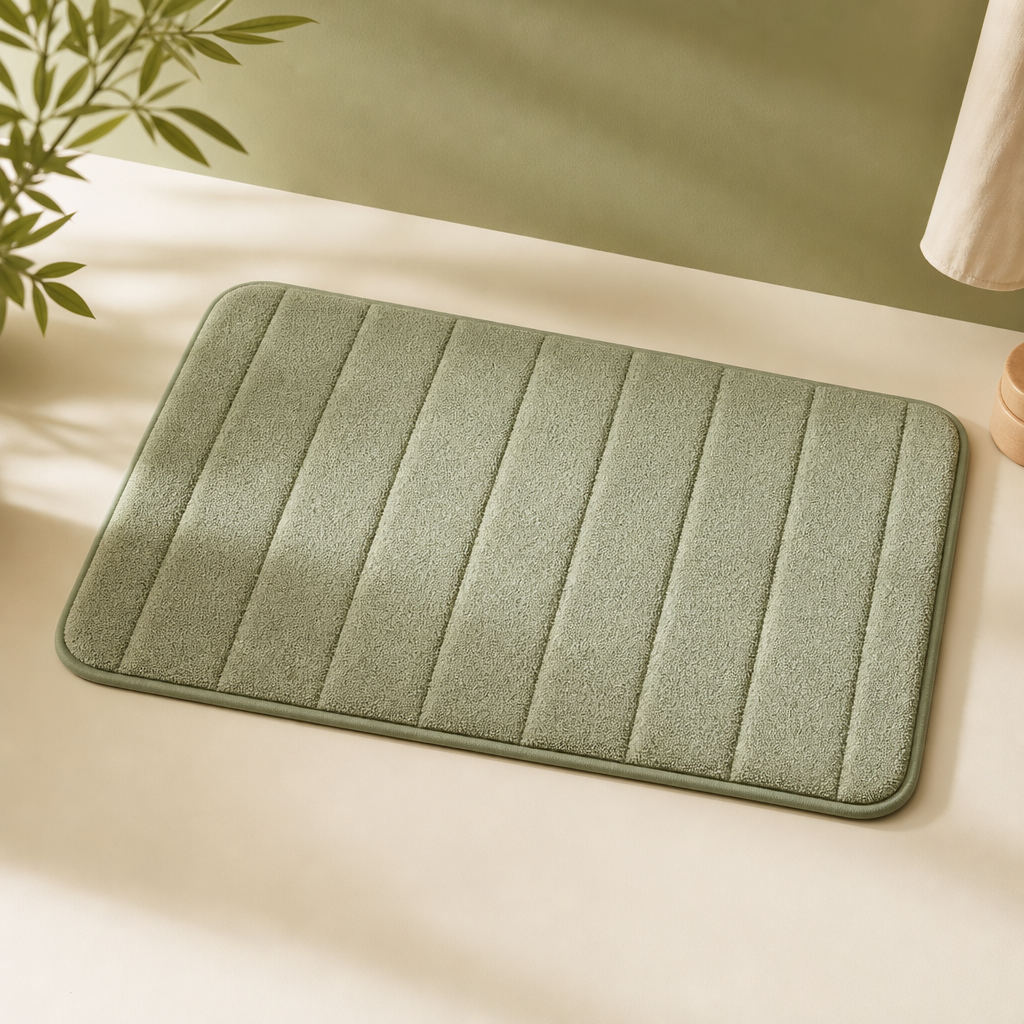
🛁 Non-Slip Comfort Bath Mat for Safer Steps
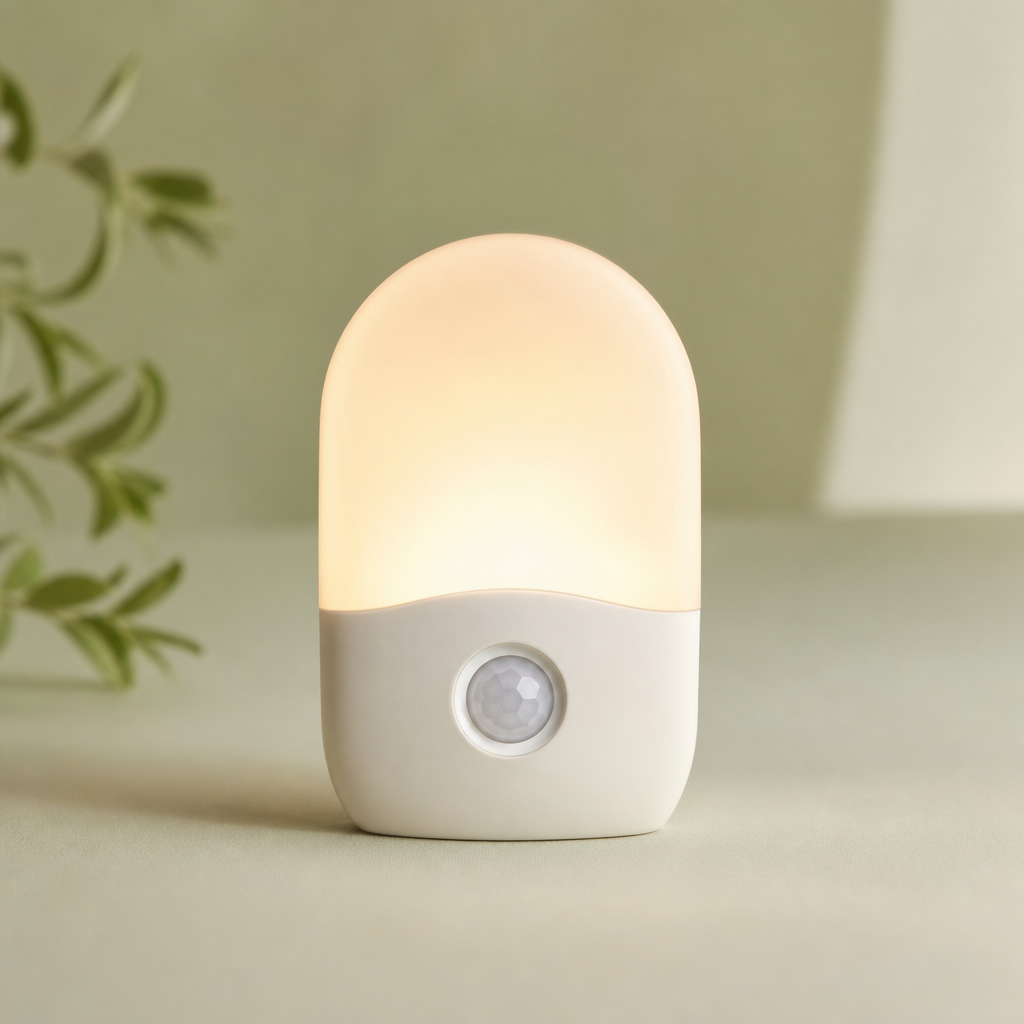
💡 Auto-Glow Motion Sensor Night Light (2-Pack)
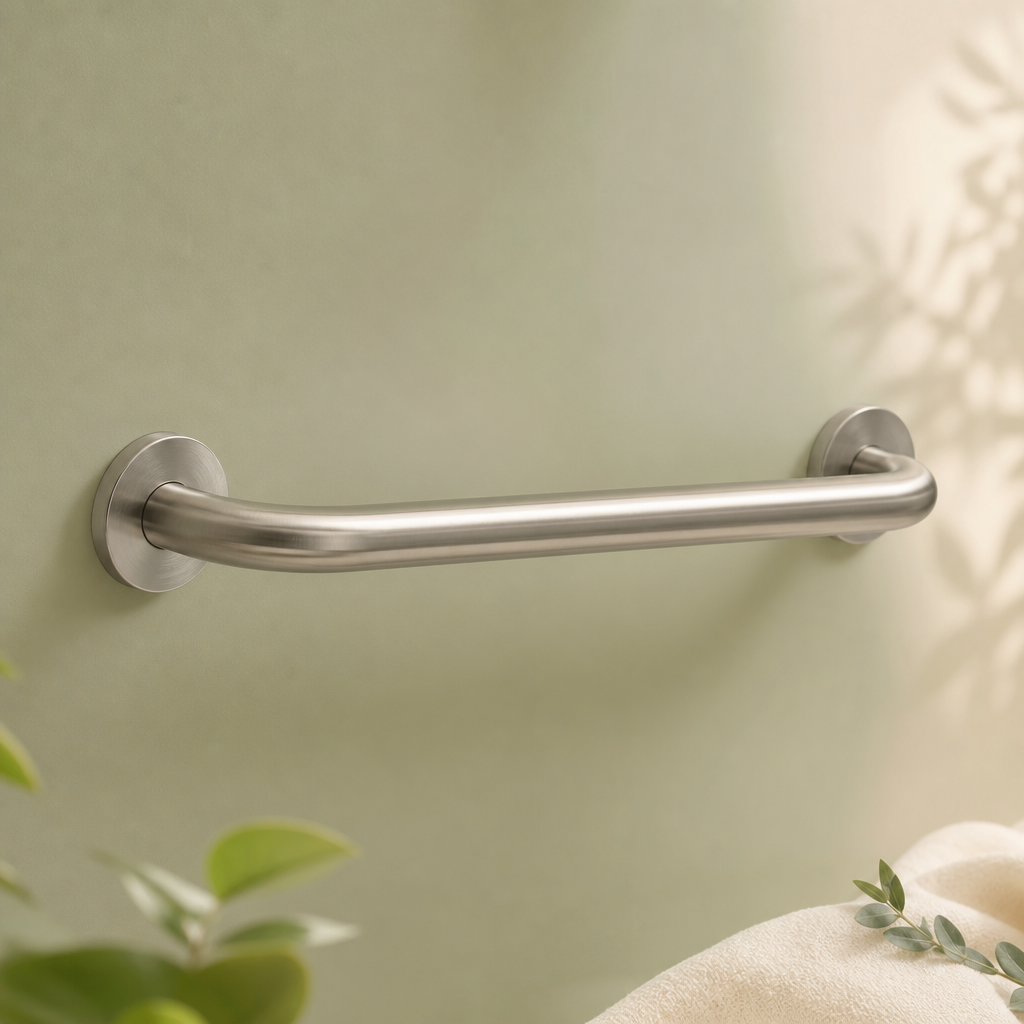
🛟 Wall-Mounted Stainless Steel Grab Bar
A gentle note
The products featured on EverEase24 are everyday comfort, safety and convenience aids — not medical devices. Nothing on this site is intended to diagnose, treat, cure or prevent any condition, and our descriptions are not medical advice. Please follow each manufacturer's instructions, and consult a qualified professional for any health concern or before making changes for someone with a medical condition. We independently choose what we recommend; when you buy through our Amazon links we may earn a small commission at no extra cost to you.