
Making Your Dining Room Safer for Seniors: A Practical EverEase24 Guide
6 min read
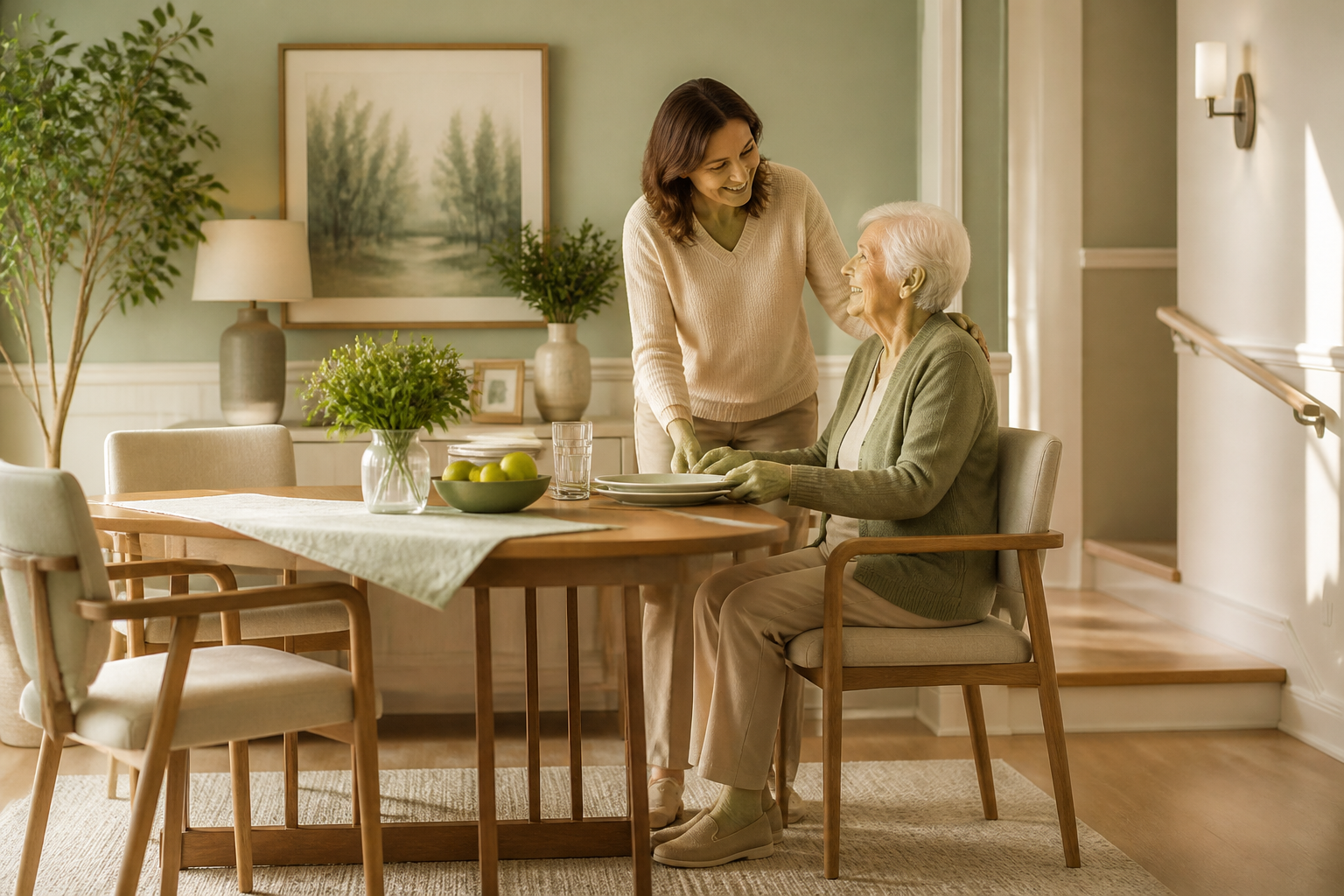
The dining room is often the heart of the home, a cherished space for sharing meals, stories, and laughter. For older adults, ensuring this area is not only welcoming but also safe and comfortable can significantly enhance their quality of life and support their independence.
At EverEase24, we believe that a safer home environment contributes to greater peace of mind for everyone. This guide offers practical, easy-to-implement tips to help make your dining room a secure and enjoyable space for seniors, focusing on common areas where minor adjustments can make a big difference.
Choosing the Right Seating for Stability and Comfort
Dining chairs play a crucial role in safety and comfort. Look for chairs that are sturdy and stable, designed to support easy sitting down and standing up. Chairs with armrests are particularly helpful, as they provide additional leverage and support, making transitions smoother.
Consider the height of the chairs relative to the table; ideally, feet should rest comfortably on the floor. Cushioned seats can add extra comfort during longer meals, but ensure they are firm enough to prevent sinking too low. Avoid chairs that wobble or are difficult to move, as these can pose a tripping hazard or make seating uncomfortable.
Ensuring Clear Pathways and Ample Lighting
Clear pathways are fundamental to preventing trips and falls. Arrange furniture to allow for wide, unobstructed routes around the dining table and to and from the kitchen or other rooms. If you have rugs in the dining area, make sure they are securely anchored with non-slip backing or consider removing them entirely to eliminate potential tripping hazards.
Good lighting is also essential. Ensure the dining room is well-lit, especially around the table and along pathways. Overhead lighting, combined with task lighting if needed, helps to illuminate potential obstacles and makes it easier to navigate the space safely, particularly as natural light fades.
Stable Tables and Thoughtful Placement
The dining table itself should be stable and robust, designed to not wobble or tip. If the table has sharp corners, consider adding corner protectors to help reduce the risk of accidental bumps or scrapes. Position the table thoughtfully, ensuring there is plenty of space for chairs to be pulled out easily and for individuals to move around without feeling cramped.
Ample space around the table not only helps with maneuverability but also creates a more relaxed and comfortable dining experience. Avoid placing decorative items or plants that could obstruct pathways or be easily knocked over.
Making Dining Essentials Easily Accessible
Thoughtful organization can make mealtimes much easier. Keep frequently used items like salt, pepper, napkins, and water pitchers within easy reach on the table or on an adjacent sturdy sideboard. This helps to avoid unnecessary reaching or standing up during meals.
Consider non-slip placemats to help keep plates and cups in place, which can make eating more relaxed. For those who may benefit from them, adaptive utensils can also make a significant difference in maintaining independence and ease during meals, enhancing the overall dining experience.
Creating a Welcoming and Secure Dining Space
Making the dining room safer for seniors doesn't mean sacrificing style or warmth. By implementing these practical tips, you can create a space that is both functional and inviting. These simple adjustments can help reduce potential hazards, increase comfort, and support continued independence, allowing everyone to enjoy mealtimes together with greater confidence and peace of mind.
Frequently asked questions
Featured products
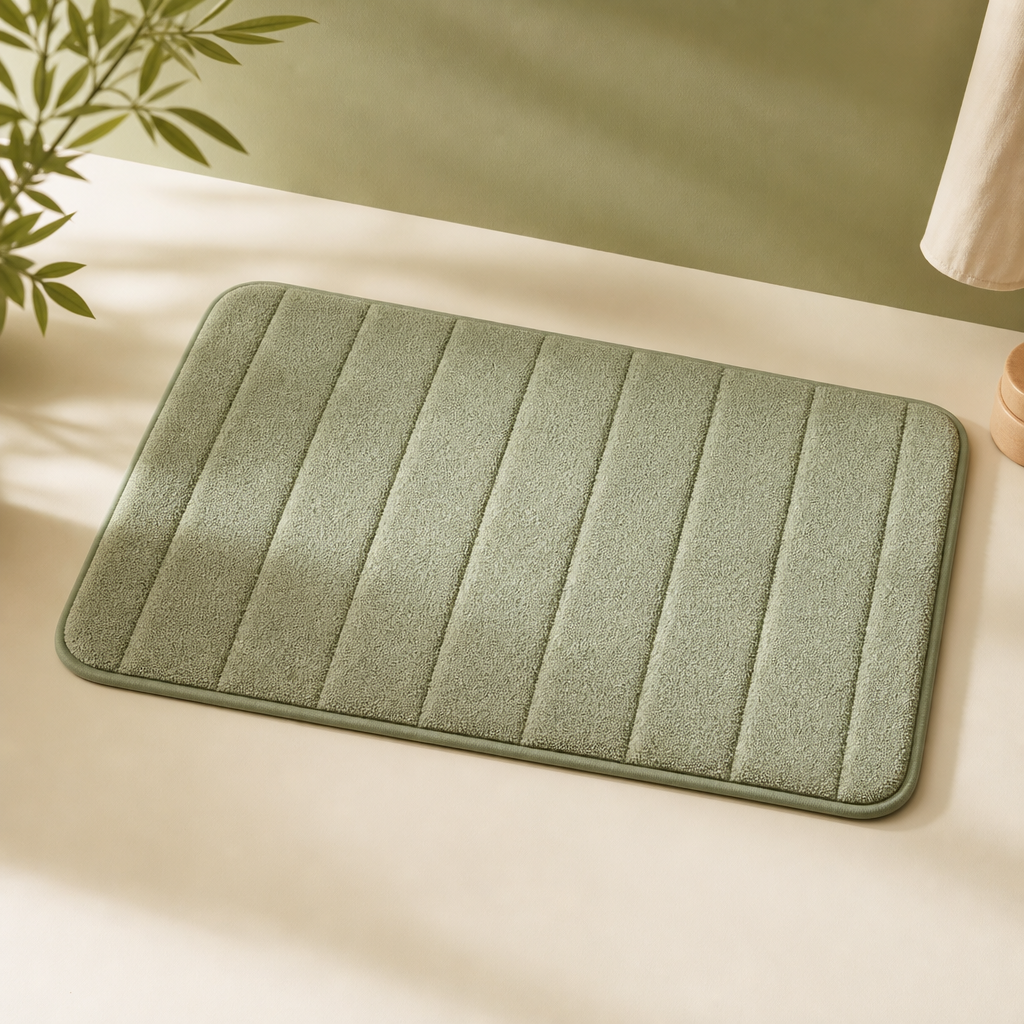
🛁 Non-Slip Comfort Bath Mat for Safer Steps
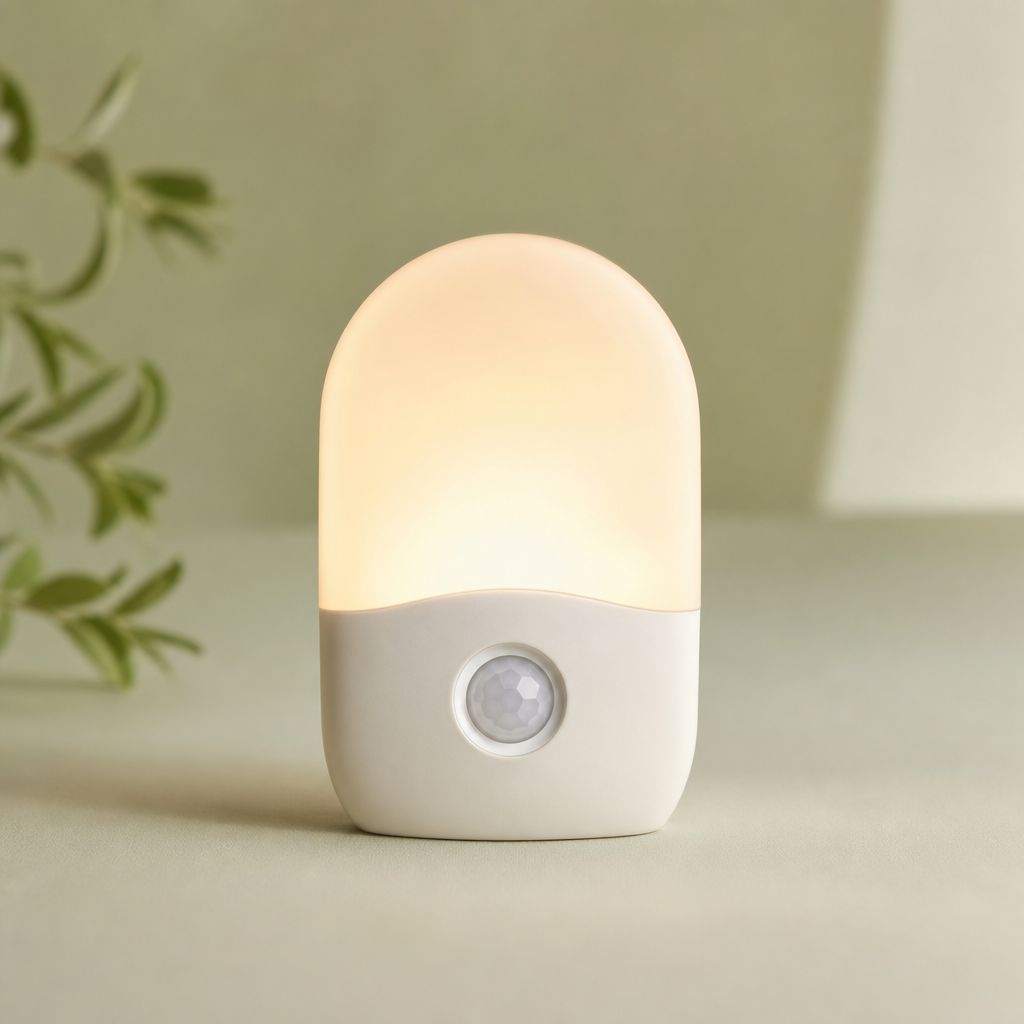
💡 Auto-Glow Motion Sensor Night Light (2-Pack)
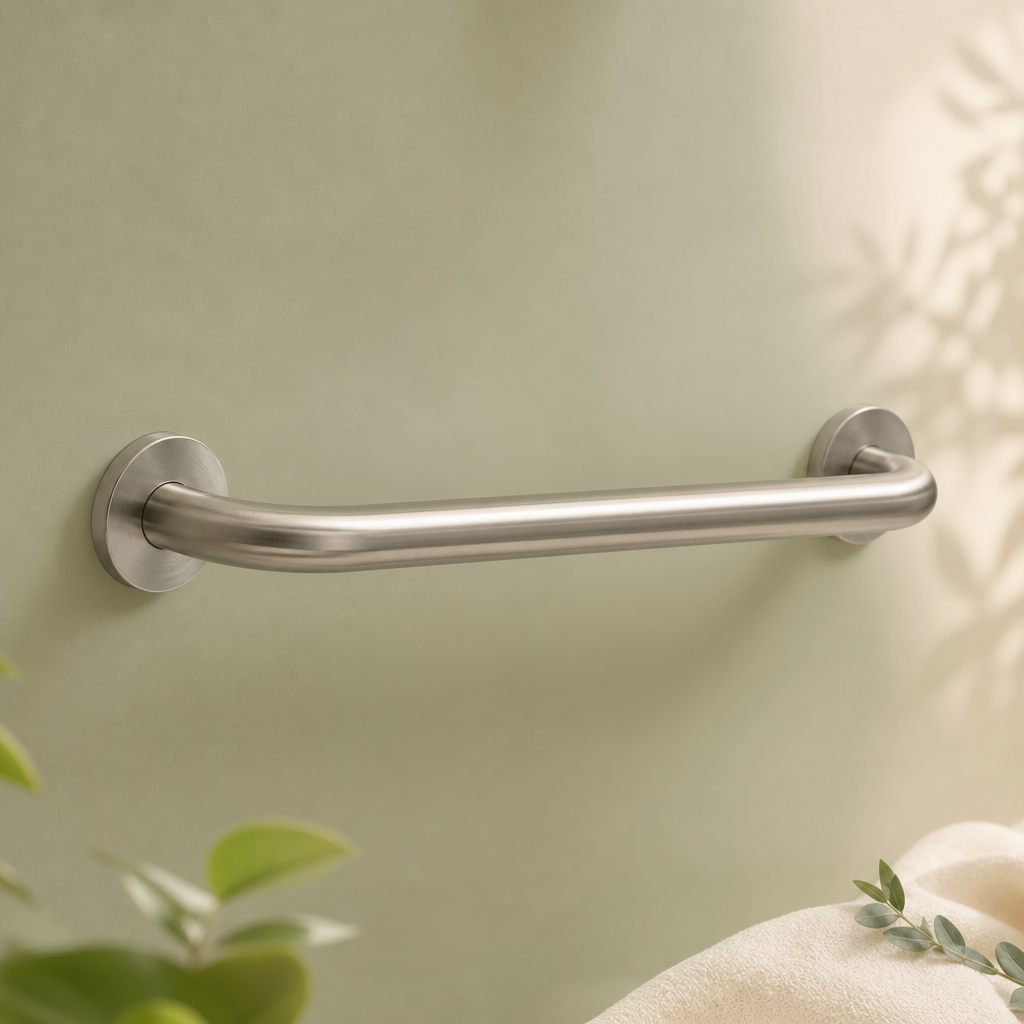
🛟 Wall-Mounted Stainless Steel Grab Bar
A gentle note
The products featured on EverEase24 are everyday comfort, safety and convenience aids — not medical devices. Nothing on this site is intended to diagnose, treat, cure or prevent any condition, and our descriptions are not medical advice. Please follow each manufacturer's instructions, and consult a qualified professional for any health concern or before making changes for someone with a medical condition. We independently choose what we recommend; when you buy through our Amazon links we may earn a small commission at no extra cost to you.