
Enhancing Your Sitting Comfort for Productive Desk Work
6 min read
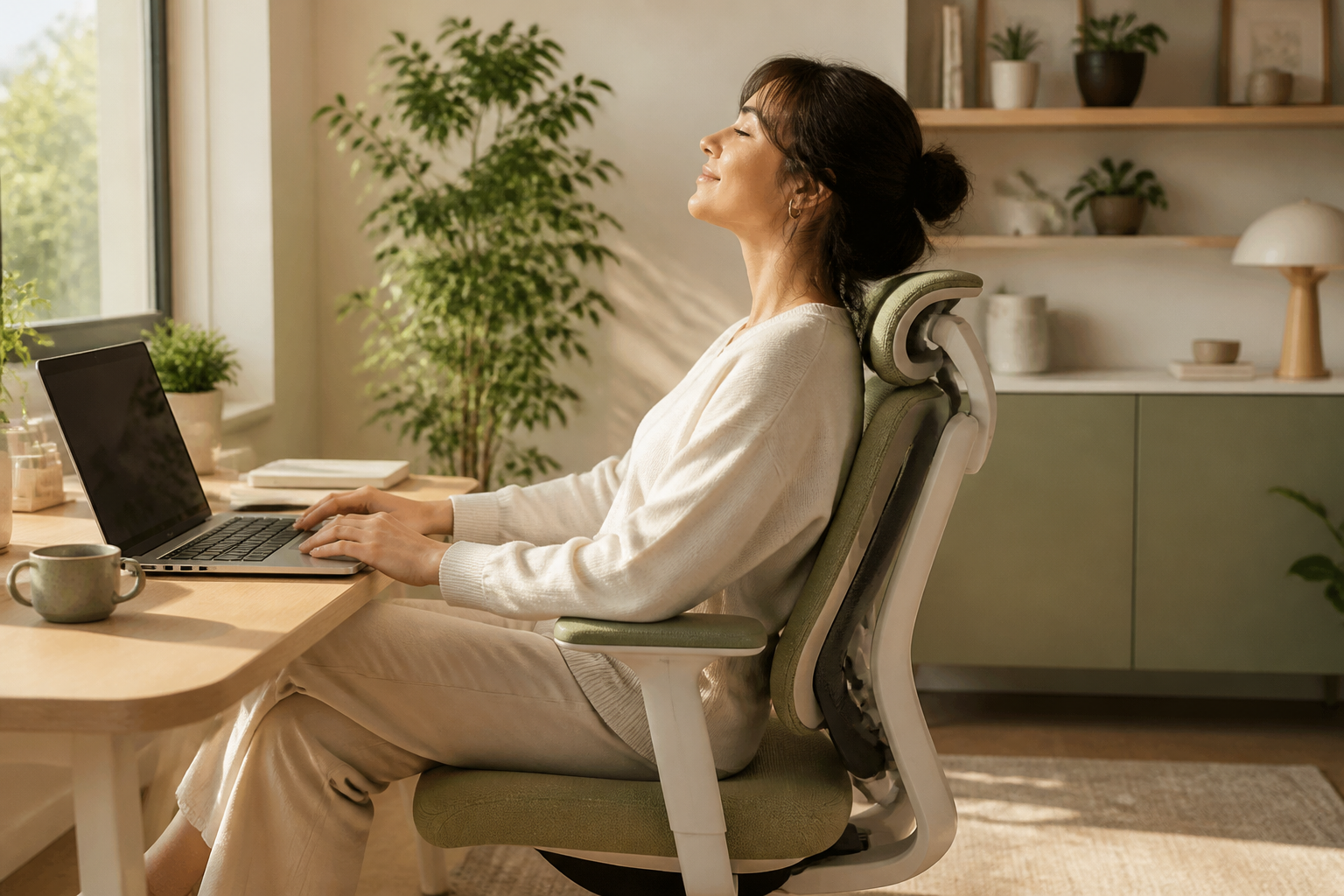
Many of us spend a significant part of our day working at a desk, whether it's for a full-time job, hobbies, or managing household tasks. Over time, maintaining comfort in this position can become a real challenge.
This guide offers practical advice and simple suggestions to help you create a more comfortable and supportive sitting environment, ensuring your time at the desk is as pleasant and productive as possible.
Optimising Your Desk Chair Setup
Your desk chair is the foundation of your sitting comfort. Taking a few moments to adjust it properly can make a world of difference. Ensure your feet are flat on the floor or a footrest, with your knees at roughly a 90-degree angle. Your chair's height should allow your forearms to rest comfortably on your desk without shrugging your shoulders.
Adjust the backrest to support the natural curve of your spine, especially in the lower back area. If your chair has armrests, set them so they gently support your arms, helping to take pressure off your shoulders and neck without forcing them up. Even small changes can significantly enhance your comfort.
Exploring Supportive Sitting Aids
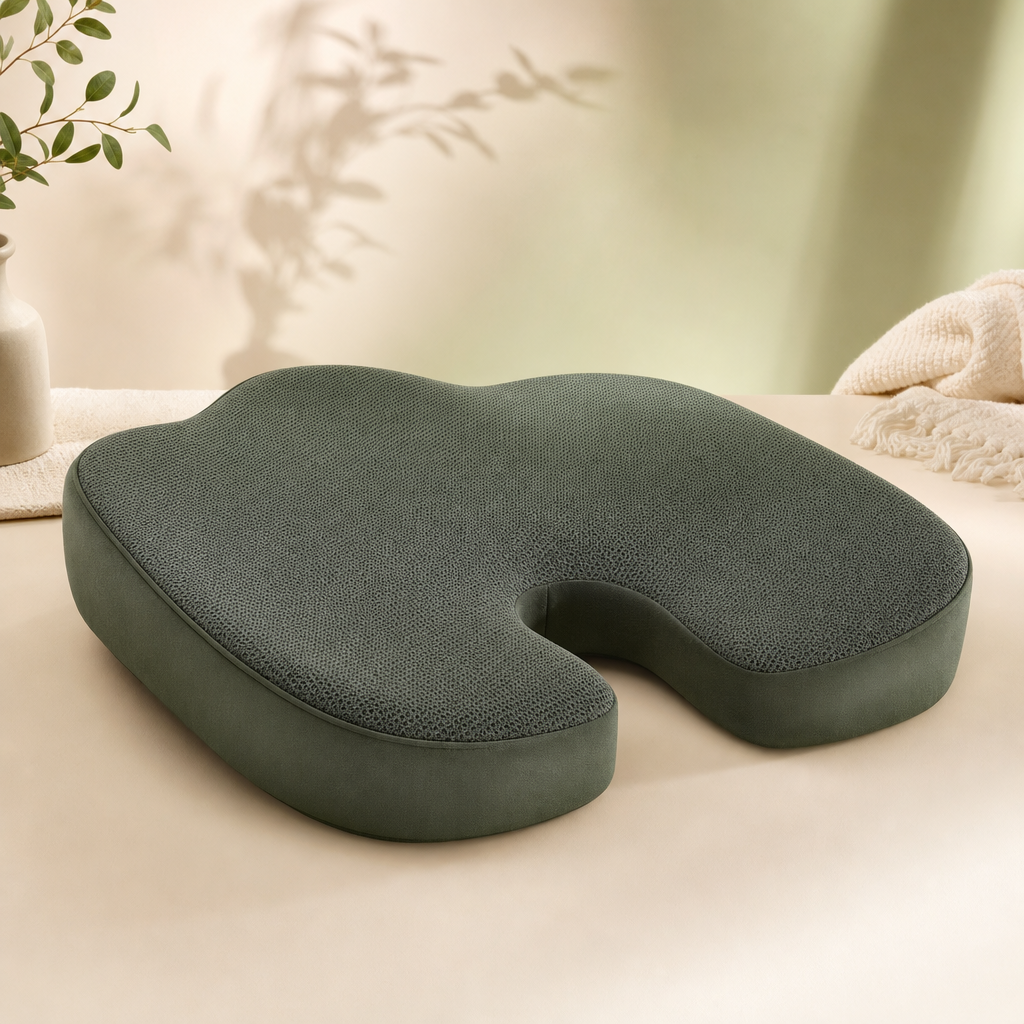
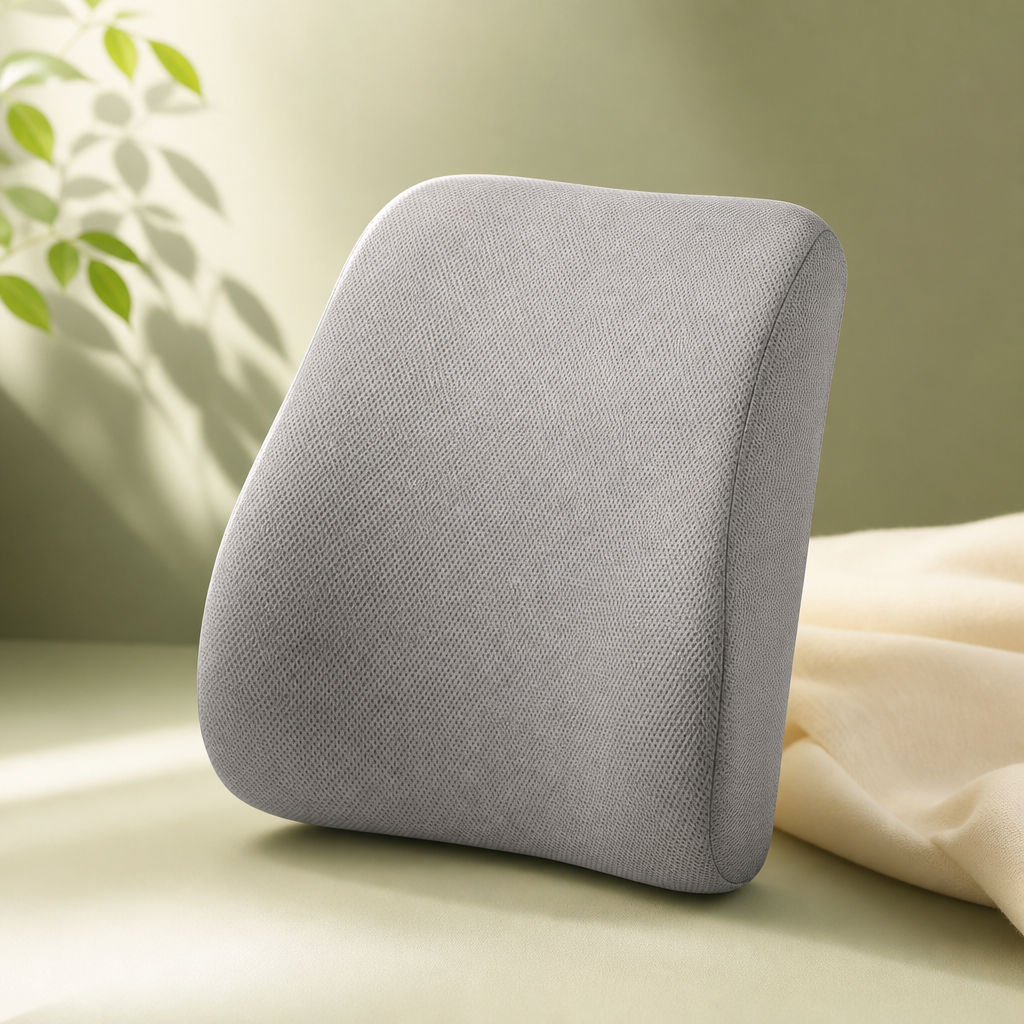
Sometimes, your existing chair may just need a little extra help to provide the comfort you're looking for. Supportive sitting aids like seat cushions and back supports are designed to add an additional layer of comfort and can help promote better posture.
Seat cushions can help distribute pressure more evenly, which is particularly beneficial during long periods of sitting. Back supports are crafted to cradle the natural curve of your lower back, offering gentle reinforcement and encouraging a more upright sitting position. These additions can transform an ordinary chair into a more comfortable and supportive one.
The Importance of Regular Movement
While finding a comfortable sitting position is key, incorporating regular movement throughout your day is equally important for overall well-being. Prolonged sitting can lead to stiffness, so making time for short breaks to stand and stretch helps keep you feeling more supple and energised.
Consider setting a gentle reminder to get up and move every 30-60 minutes. A quick walk to get a glass of water, a few gentle stretches, or even just standing up and sitting down a few times can make a significant positive impact on your comfort levels throughout the day.
Creating a Mindful Workspace
Beyond your chair, the entire desk environment contributes to your comfort. Ensure your computer monitor is at eye level, so you're not craning your neck up or down. Good lighting, free from glare, can help reduce eye strain. Keeping your workspace tidy and organised also contributes to a more relaxing atmosphere.
By taking a holistic approach to your desk setup, you're not just improving one aspect, but enhancing your entire comfort experience. It’s about creating a space where you feel supported and at ease, allowing you to focus better on the tasks at hand.
Your Daily Comfort Journey
Achieving better sitting comfort is an ongoing journey, not a one-time fix. Listen to your body and don't hesitate to make small adjustments to your setup or routine whenever needed. Embracing these practical tips can help make your desk time more comfortable and supportive, contributing positively to your daily life.
Frequently asked questions
Featured products
A gentle note
The products featured on EverEase24 are everyday comfort, safety and convenience aids — not medical devices. Nothing on this site is intended to diagnose, treat, cure or prevent any condition, and our descriptions are not medical advice. Please follow each manufacturer's instructions, and consult a qualified professional for any health concern or before making changes for someone with a medical condition. We independently choose what we recommend; when you buy through our Amazon links we may earn a small commission at no extra cost to you.